Brian Haara
Bourbon. Law. Author.
New “We Were the First” Bourbon Lawsuit Rejected by the Sixth Circuit.
We all know bourbon brands that claim to be the first at something. One brand claims to honor the first person to have charred an oak barrel; another brand claims to be the first single barrel bourbon; yet another claims to have been the first grain to glass distillery.
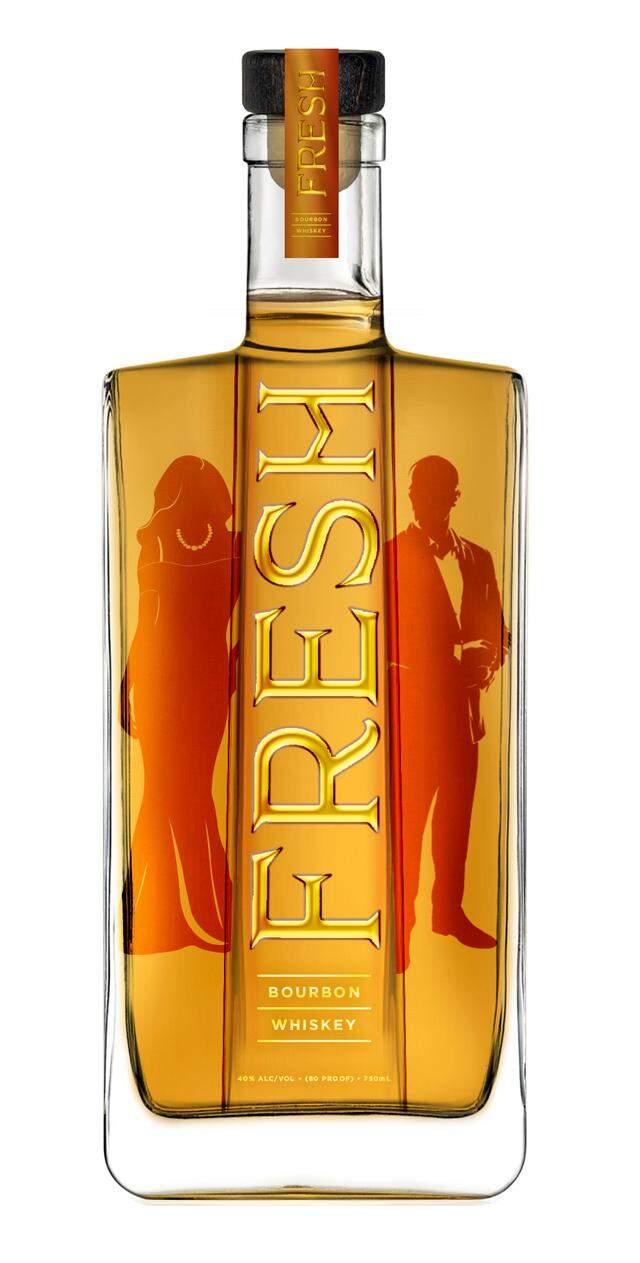
Brough Brothers laid claim to being the first African American-owned distillery when it opened in 2020. But Fresh Bourbon claimed it had distilled bourbon, albeit at another company’s distillery, in 2018, so it was really the first. Fresh Bourbon touted that the Kentucky Senate resolved that Fresh Bourbon “is considered to be the first black-owned bourbon distillery in Kentucky,” Fresh Bourbon claimed to have the first African American Master Distiller since the end of slavery, and it advertised that it was “the first bourbon developed grain to glass by African Americans in the state of Kentucky.”
None of this sat well with Brough Brothers, which argued that Fresh Bourbon was misleading consumers because they didn’t own a distillery and didn’t have a true Master Distiller, so Brough Brothers sued in 2021, arguing under the Lanham Act that Fresh Bourbon committed false advertising. The federal district court in the Eastern District of Kentucky ruled in favor of Fresh Bourbon, and Brough Brothers appealed.
After considering the parties’ evidence about who opened a physical distillery first, versus who contract distilled first, what it means to have a “distillery,” and expert testimony about what it takes to be a “Master Distiller,” the Sixth Circuit agreed that the case should be thrown out. Brough Brothers seems to have sunk itself by hiring an expert witness who conceded that it was “impossible to verify” whether other African American distilleries existed before either Brough Brothers or Fresh Bourbon.
The Court noted that this expert (a Louisville bourbon historian who the Court identified by name) initially asserted that a Master Distiller needed 20+ years of experience operating a distillery to hold that title, but he “conveniently hedged” to say that distillery owners can call themselves a Master Distiller no matter their experience, because otherwise Brough Brothers’ so-called Master Distiller would not have qualified under the expert’s own definition. It’s a bad omen when a Court refers to your expert witness as having “conveniently hedged” about a critical fact or opinion.
As the final nail in the coffin, the Court noted the expert’s ultimate admission that the term “Master Distiller” now means “more of a marketing person” and the definition is really just a matter of opinion. Those admissions were critical because, as the Court concluded, “a plaintiff cannot sue over a ‘mere opinion’ under the Lanham Act.” The Court added that none of the statements by Fresh Bourbon were literally false, so the claims asserted by Brough Brothers were properly dismissed.
Brough Brothers could try to appeal to the Supreme Court of the United States, but it is highly unlikely that the Court would consider the appeal, so this is probably the final chapter in this “We Were the First” legal battle.