Brian Haara
Bourbon. Law. Author.
Fire Up Your Home Still!?! Maybe not just yet.

Taxation has always been associated with whiskey in the United States. The nation’s first excise tax, levied in 1791, was on whiskey, and was enacted to fund the national debt incurred during the Revolutionary War. Whiskey would be taxed again to fund subsequent wars, and it was brought back permanently on August 1, 1862 to fund the Union’s efforts in the Civil War.
As Congress tinkered with the tax to address rampant fraud and tax evasion, in 1868 it prohibited distilling at home. This prohibition has remained intact for the past nearly 160 years, but has been challenged recently. April 2026 has proven to be a monumental month for those court challenges.
On April 10, 2026, in McNutt v. US Department of Justice, the Fifth Circuit Court of Appeals held that the law was unconstitutional. But on April 21, 2026, the Sixth Circuit Court of Appeals upheld the ban. This is called a “circuit split” and it could set up review by the Supreme Court of the United States.
The 1868 law prevented a person from using “any still, boiler, or other vessel for purpose of distilling” located, among other places, “in any dwelling-house.” Since 1868, the law has been amended to prohibit distillation at any home, shed, or yard, on a boat, or practically anywhere else. If you violate it, expect a fine of up to $10,000.00 and five years in prison.
The Fifth Circuit held that the government got it all wrong by prohibiting home distillation through tax laws because by outright prohibiting it, there’s obviously nothing to tax. When there’s nothing to tax, the government is not raising any revenue, which is the whole purpose of taxation. The Sixth Circuit ruled that while maybe the tax law lost revenue from home distillers, Congress also could have concluded that prohibiting distillation anywhere other than a licensed distillery actually increased tax revenue due to the likelihood of tax evasion by home distillers.
Then each court went deeper into constitutional law—a provision of the Constitution that empowers Congress to make any law “necessary and proper” to implement the powers vested in the government. In a nutshell, it is an extremely broad power to do what it takes to support other Constitutional powers, and it has been used for things such as creating a national bank, regulating the environment, or drafting soldiers.
Here again the circuits ruled differently. The Fifth Circuit ruled that banning home distillation was neither necessary nor proper to support the right of Congress to tax because it criminalizes personal conduct and prevents taxation. The Sixth Circuit considered the rampant history of tax evasion by distillers that the 1868 law sought to solve by banning home distillation, finding that the ban was necessary to be able to collect federal excise taxes on spirits.
The contrary rulings essentially leave us where we were before either of them. Operating a non-licensed still remains illegal, and the government could argue another basis for enforcement, like the Commerce Clause. We are at the very early stages of a fight that is unlikely to be resolved for another five years or so.
Should home distilling be legal? Post your comments below!

POV: coming out of the woods on April 10, and turning back around on April 21.
New “We Were the First” Bourbon Lawsuit Rejected by the Sixth Circuit.
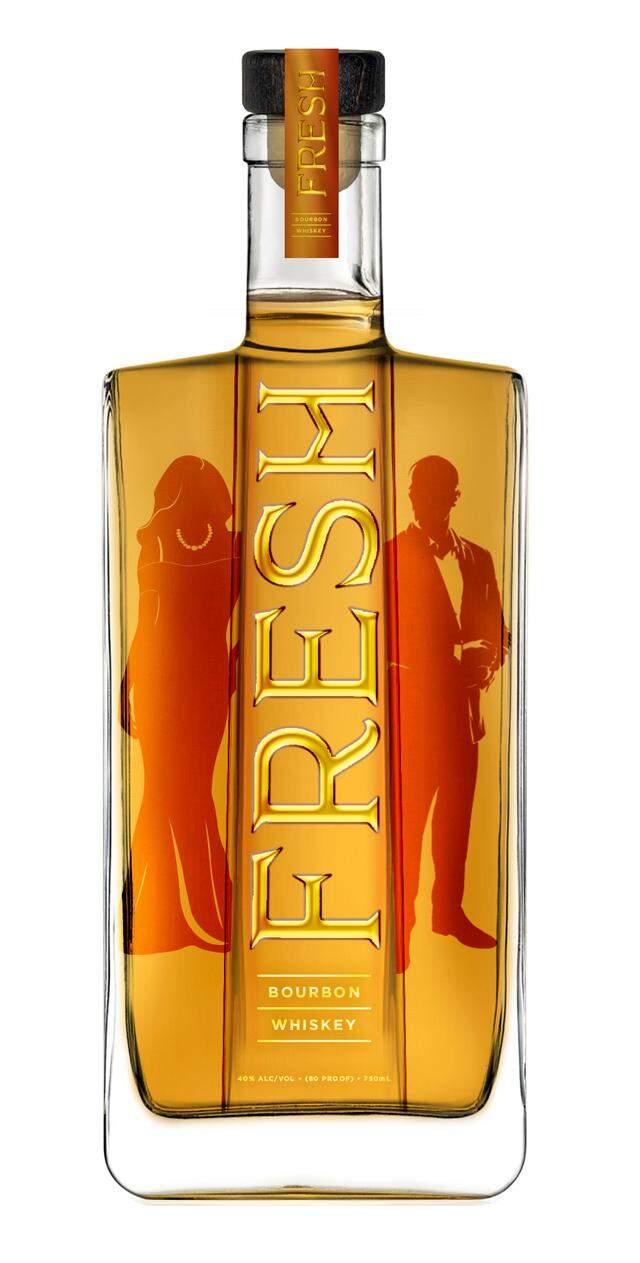
We all know bourbon brands that claim to be the first at something. One brand claims to honor the first person to have charred an oak barrel; another brand claims to be the first single barrel bourbon; yet another claims to have been the first grain to glass distillery.
Brough Brothers laid claim to being the first African American-owned distillery when it opened in 2020. But Fresh Bourbon claimed it had distilled bourbon, albeit at another company’s distillery, in 2018, so it was really the first. Fresh Bourbon touted that the Kentucky Senate resolved that Fresh Bourbon “is considered to be the first black-owned bourbon distillery in Kentucky,” Fresh Bourbon claimed to have the first African American Master Distiller since the end of slavery, and it advertised that it was “the first bourbon developed grain to glass by African Americans in the state of Kentucky.”
None of this sat well with Brough Brothers, which argued that Fresh Bourbon was misleading consumers because they didn’t own a distillery and didn’t have a true Master Distiller, so Brough Brothers sued in 2021, arguing under the Lanham Act that Fresh Bourbon committed false advertising. The federal district court in the Eastern District of Kentucky ruled in favor of Fresh Bourbon, and Brough Brothers appealed.
After considering the parties’ evidence about who opened a physical distillery first, versus who contract distilled first, what it means to have a “distillery,” and expert testimony about what it takes to be a “Master Distiller,” the Sixth Circuit agreed that the case should be thrown out. Brough Brothers seems to have sunk itself by hiring an expert witness who conceded that it was “impossible to verify” whether other African American distilleries existed before either Brough Brothers or Fresh Bourbon.
The Court noted that this expert (a Louisville bourbon historian who the Court identified by name) initially asserted that a Master Distiller needed 20+ years of experience operating a distillery to hold that title, but he “conveniently hedged” to say that distillery owners can call themselves a Master Distiller no matter their experience, because otherwise Brough Brothers’ so-called Master Distiller would not have qualified under the expert’s own definition. It’s a bad omen when a Court refers to your expert witness as having “conveniently hedged” about a critical fact or opinion.
As the final nail in the coffin, the Court noted the expert’s ultimate admission that the term “Master Distiller” now means “more of a marketing person” and the definition is really just a matter of opinion. Those admissions were critical because, as the Court concluded, “a plaintiff cannot sue over a ‘mere opinion’ under the Lanham Act.” The Court added that none of the statements by Fresh Bourbon were literally false, so the claims asserted by Brough Brothers were properly dismissed.
Brough Brothers could try to appeal to the Supreme Court of the United States, but it is highly unlikely that the Court would consider the appeal, so this is probably the final chapter in this “We Were the First” legal battle.
Cease-and-Desist Letters Just Add to a True Legacy.
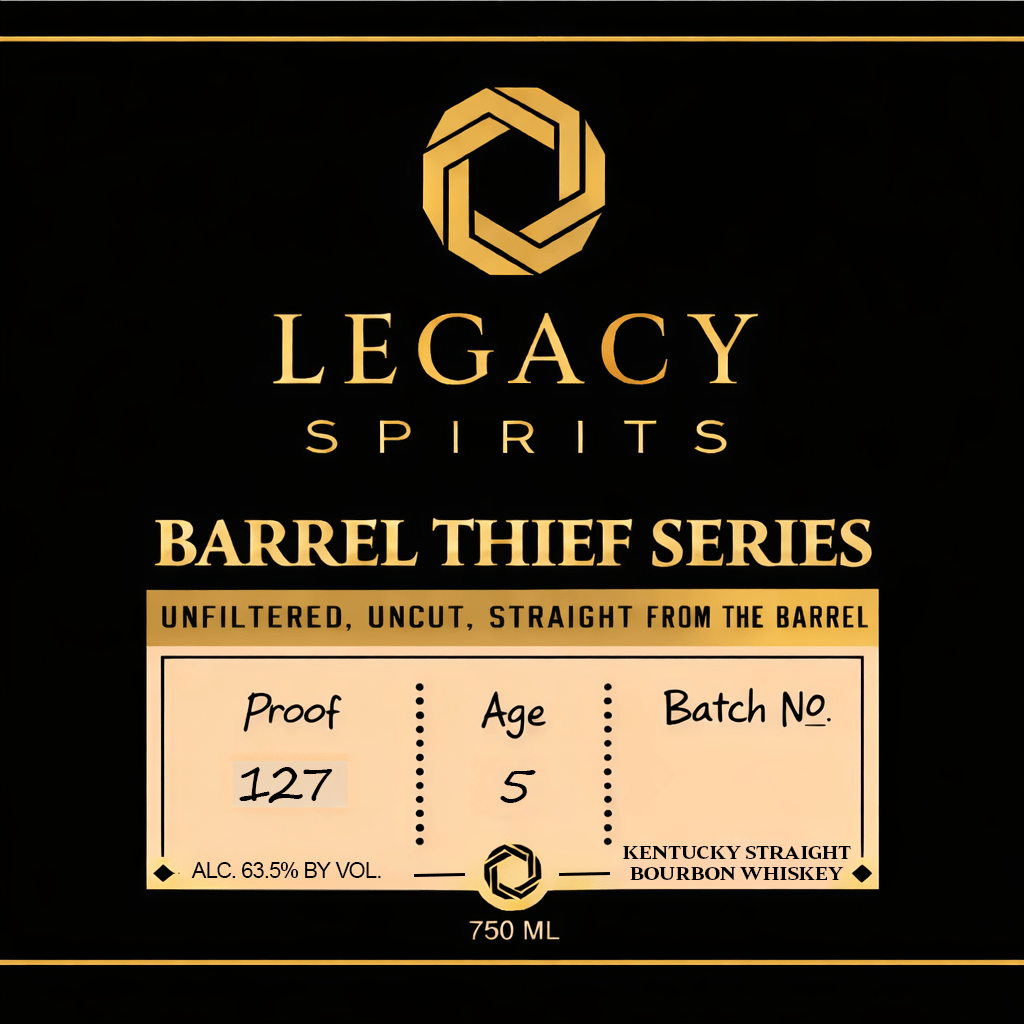
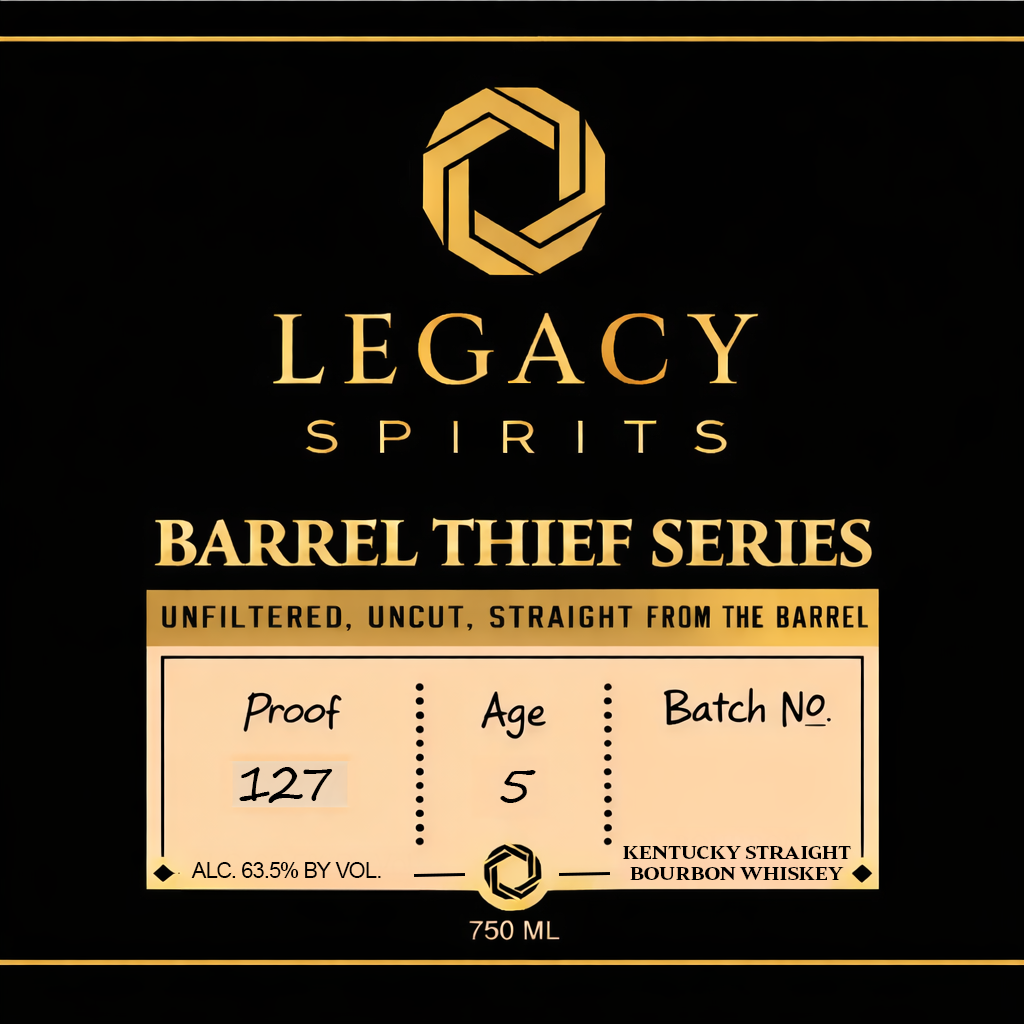
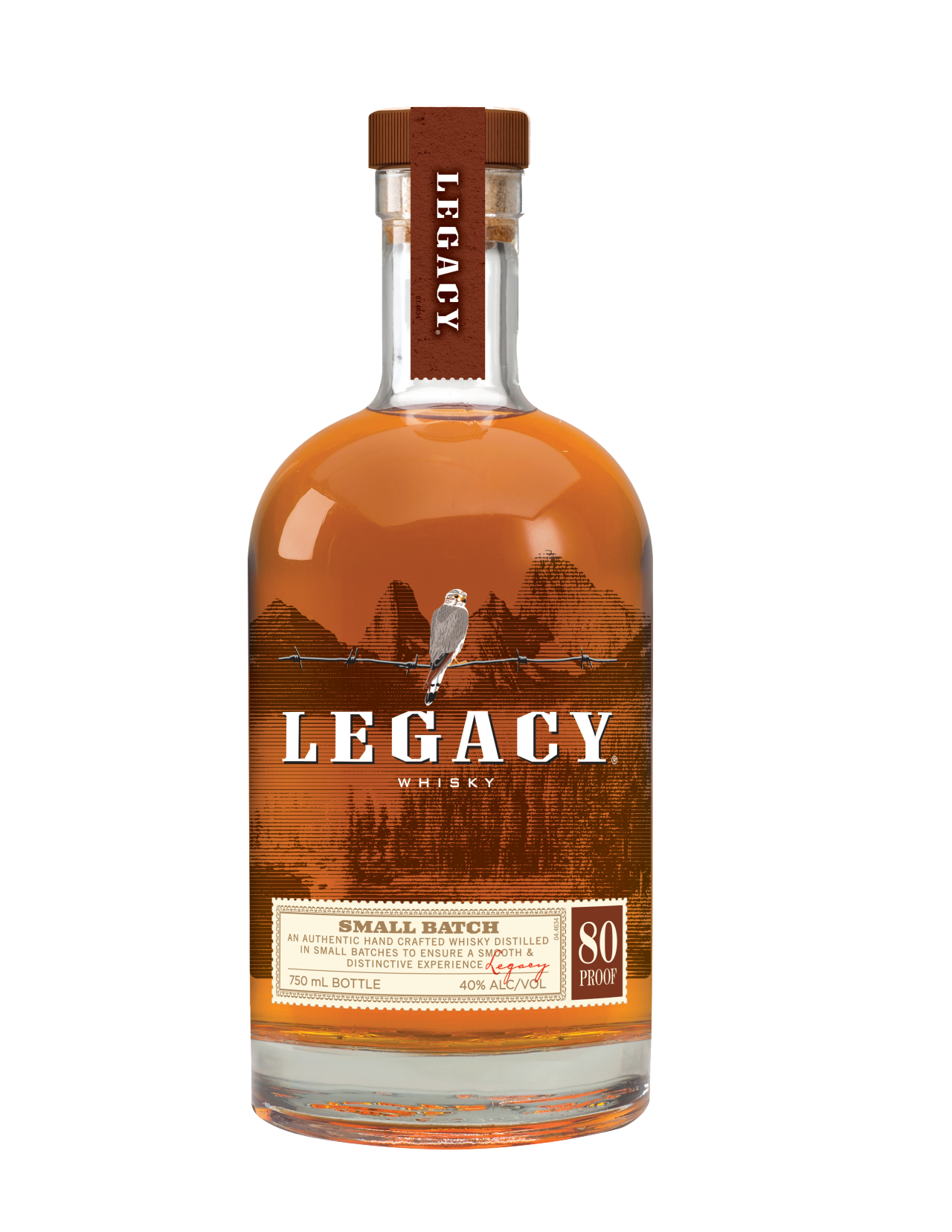
As reported by MLive, a small winery and distillery near Grand Rapids, Michigan received a cease and desist letter from an unidentified “larger distiller” over its planned Legacy Whiskey brand.
Legacy Winery & Spirits, in Hudsonville, Michigan, is rebranding from “Legacy” to “Barrel Thief” and in the process had to throw away $2,000 worth of labels. Legacy’s COLA approved in January already included “Barrel Thief Series” but expect a new COLA to be filed without “Legacy” on the label.
The unnamed distillery at issue is presumably Sazerac, which owns a Canadian whisky brand simply named “Legacy.”
While the labels and bottles are distinctly different from each other, and despite the historical and legal difference between Canadian whisky and the Bourbon (who remembers Jack Daniel Distillery, Inc. v. Hoffman Distilling Co. from Bourbon Justice?) planned by Legacy, Sazerac must have complained about the prominent use of the word Legacy. Just as so many other startups have decided, changing a brand name for a few thousand dollars in expenses and legal fees is lightyears better than a legal battle.
Good luck to Legacy Winery & Spirits. I’ll be visiting them on my next trip to West Michigan.
The Bourbon Raffle Hits Its Stride.

Charitable organizations have held raffles forever, but usually for a low ticket price and for modest items, especially when compared to silent and live auction items. In the bourbon world, though, raffle item value has been increasing, and now 2023 is taking shape as the year of the bourbon raffle.
Not only have more bourbon raffles been launched so far this year than we typically see in an entire year, but we’re also beginning to see multiple lots available for each raffle ticket purchased, instead of just a single bottle or a vertical of particular brand. Some current raffles have enough high-value items that they could have been run as an auction.
Does this signify donor fatigue with traditional silent and live bourbon auctions? Or does it reflect the incredible need for planning, volunteer hours, and expense associated with auctions compared to raffles?
Holding a raffle is incredibly simple and it’s a method that donors trust, even though they understand that the chances of winning are slim. A raffle also evens the playing field by giving access to small donors who would be outbid in an auction, but who still want to donate. On the other hand, from the fundraising standpoint, a raffle abandons the psychological component of competitiveness in bidding, the element of FOMO, and getting caught up in the moment.
Depending on how much is raised, the current impressive raffles might set the stage for a transition away from auctions. In many silent and live auctions, bidding slows to a crawl when FMV has been met, except for a handful of items that are particularly unique and the crowd has people who want to support the cause. So long as a raffle is priced correctly, a charity could easily double or triple the value of the items if they are able to market the raffle broadly enough to sell the right number of tickets. Lack of successful, targeted marketing for a raffle, though, will quickly result in doom for fundraising.
In the spirit of helping charities sell tickets, for anyone able and interested in donating, here are three bourbon raffles that I’m supporting:
- The “Kentucky Bourbon Raffle” https://www.kentuckybourbonraffle.org/bourbon. This might be the biggest bourbon raffle ever. It benefits a cause near and dear to me—Educational Justice. Tickets are $100 each, with a maximum of 2,000 available. Each ticket gives you a chance at one of 22 tremendous lots—ranging from an entire barrel to a variety of rare and highly sought after bottles. Winners will be selected on June 23, 2023.
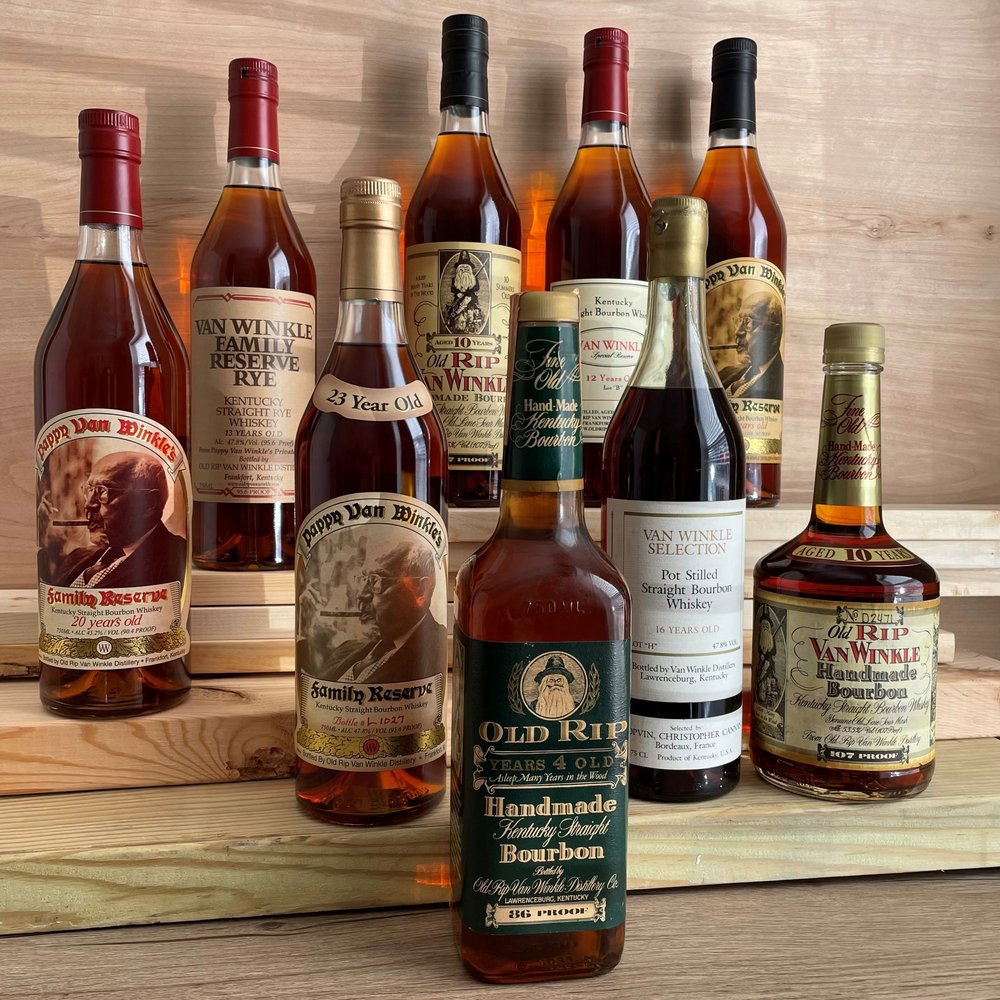
- Pennyrile Habitat for Humanity https://www.pennyrilehabitat.org/bourbonraffle. Western Kentucky still hasn’t recovered from the 2021 tornado and folks still need help. Pappy raffles have become commonplace, but not this kind of Pappy raffle. This raffle includes rare, vintage bottles, including a Japanese export and an otherwise unobtainable private selection. Cost per ticket is $100 for a chance at three separate lots. The maximum number of tickets seems high at 6,000, but it’s a great cause. Three winners will be selected on May 5, 2023.
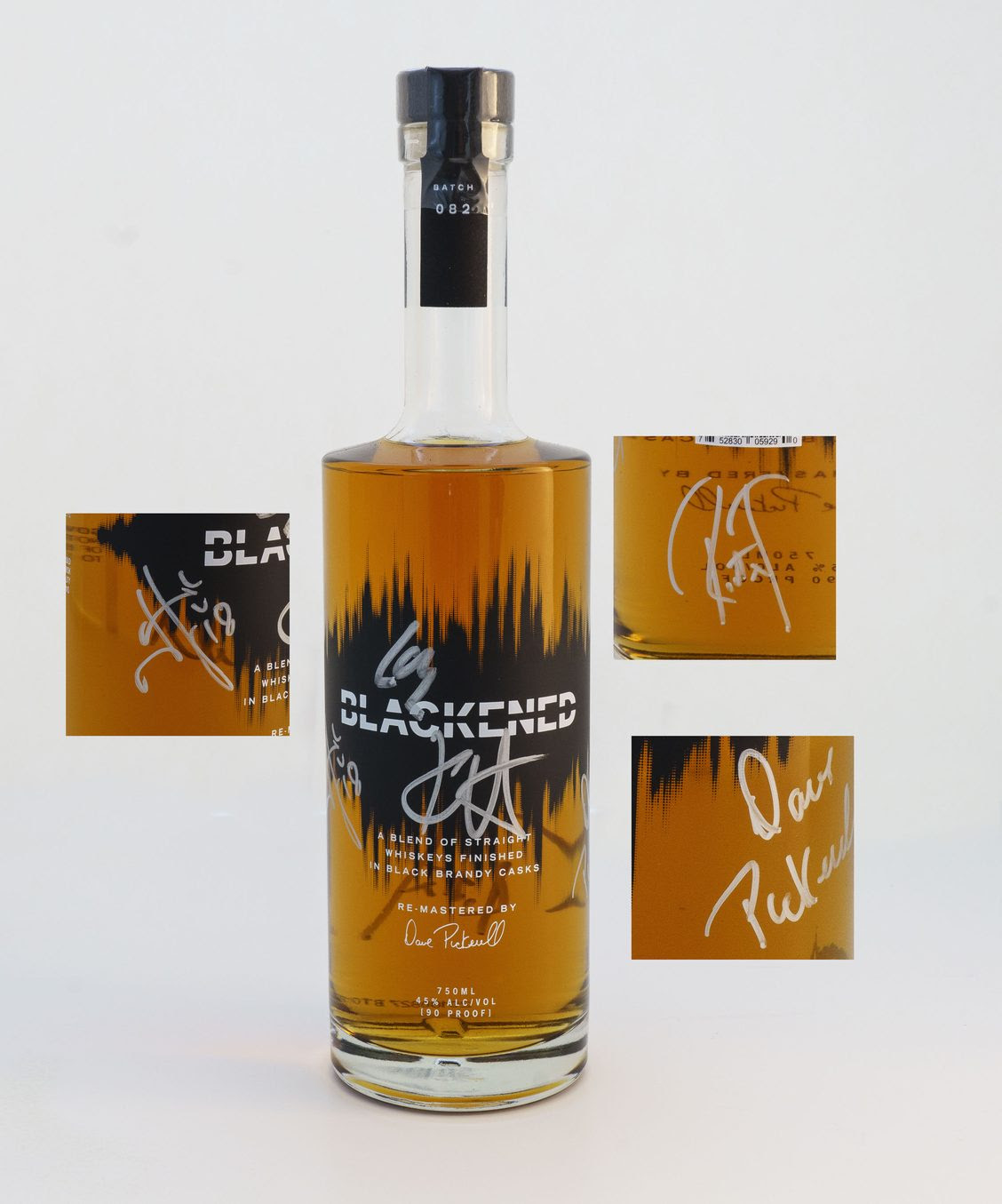
- The Kentucky Humane Society https://one.bidpal.net/wellercollection/welcome. I’ve supported KHS for decades and have my fingers crossed to win a complete Weller lineup. The ticket price is also $100, but only 500 tickets will be sold, so your chances are much better for the money. A winner will be selected on May 4, 2023.
Will bourbon raffles supplant bourbon auctions? Let me know in the comments, and best of luck!
Sipp’n Corn Bourbon Law Update – Jack Daniel’s v. “Bad Spaniels” Dog Toy.

Ever since Old Crow and Old Taylor aggressively protected their trademarks in the 1800’s, setting the stage for current-day trademark law, whiskey has kept trademark attorneys busy.
Brown-Forman’s Jack Daniel’s brand and VIP Products’ “Bad Spaniels” dog toy now have the opportunity to establish limitations on how far an alleged “parody” use of another’s famous brand and trade dress can go before it becomes illegal infringement. On January 31, the Supreme Court of the United States set oral argument for March 22, 2023 in this epic legal battle.
Basically, VIP sells a dog toy that is shaped like a bottle of arguably the most famous brand of American whiskey and makes all sorts of “poop jokes” on the toy. It is indisputable that the dog toy’s look, design, and words are intended to trade on the brand recognition of Jack Daniel’s, but VIP insists that it’s all in good fun. In fact, in a brief filed with the Supreme Court where it tried to convince the Court that it should not even consider the case, VIP smugly argued that “It is ironic that America’s leading distiller of whiskey both lacks a sense of humor and does not recognize when it—and everyone else—has had enough. [Jack Daniel’s] has waged war against [VIP] for having the temerity to produce a pun-filled parody…” And when famous brands are made fun of, “the world did not end.”
Jack Daniel’s argues that the dog toy tarnishes its brand and is likely to confuse consumers. The First Amendment was never intended to protect speech that confuses and misleads consumers, and the Lanham Act restricts commercial use of protected Marks, so no matter how funny poop jokes might be, it’s no laughing matter to violate the law. Jack Daniel’s insists that it likes dog and jokes—including jokes at its expense—but VIP is mimicking Jack Daniel’s iconic trade dress to mislead consumers and to profit off of Jack Daniel’s goodwill. Plus, Jack Daniel’s doesn’t want its customers confused or have them “associating its fine whiskey with dog poop.”
The United States District Court in Arizona (where VIP is based) sided with Jack Daniel’s, but the Ninth Circuit Court of Appeals reversed, setting the stage for the Supreme Court to rule on whether anyone can use famous trademarks to sell dog toys or whatever else they want, as Jack Daniel’s suggests—“sex toys, drinking games, or marijuana bongs, … all in the name of just having fun.”

