Brian Haara
Bourbon. Law. Author.
Category: Bourbon Law
Sipp’n Corn Tasting Notes – Old Taylor (1953) Bottled in Bond; Old Fitzgerald Decanter; and Cream of Kentucky
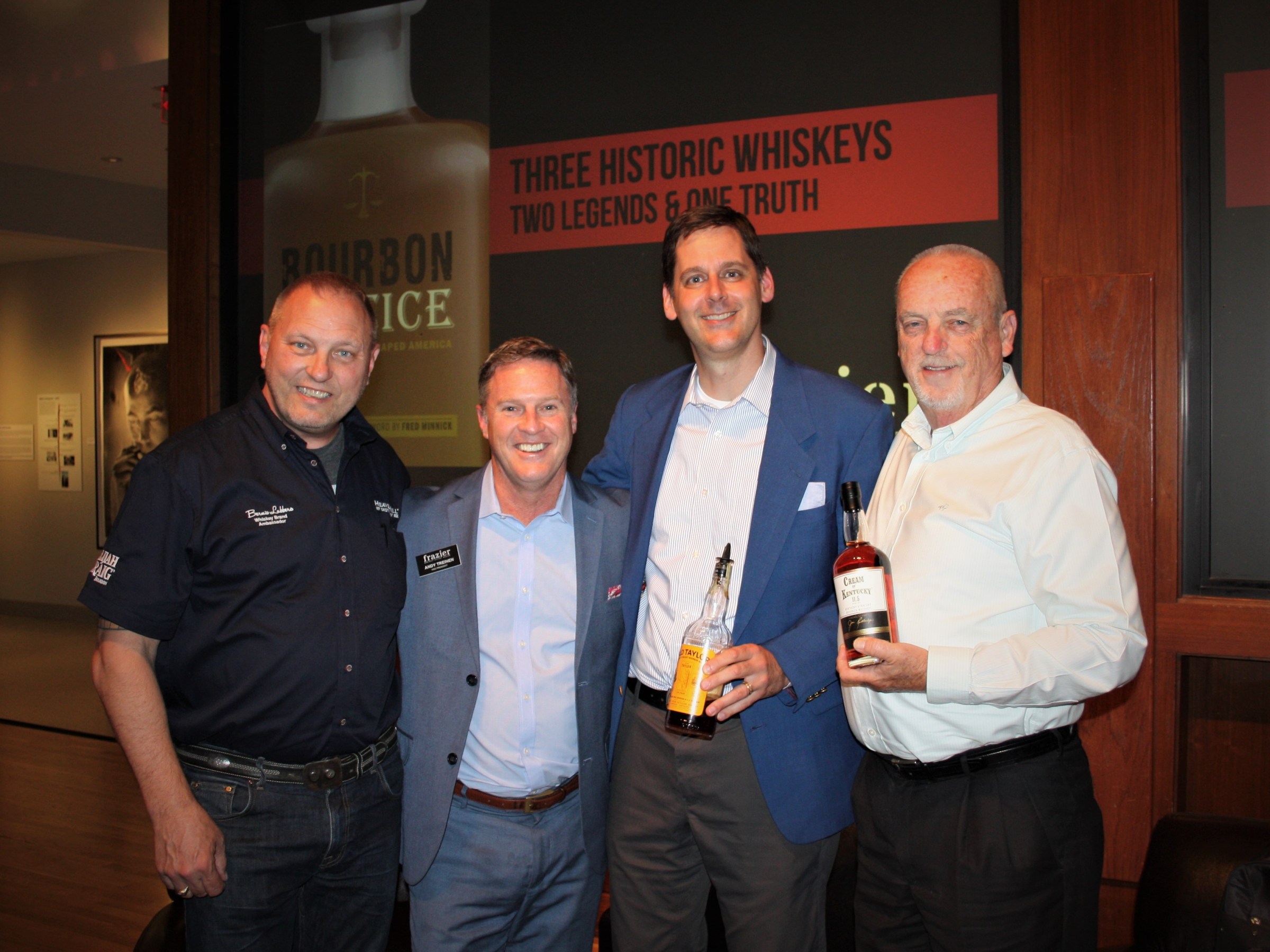
The Frazier History Museum presents a bourbon series and I was lucky enough to be part of it earlier this summer to discuss Bourbon Justice alongside legendary Master Distiller Jim Rutledge and incomparable Heaven Hill brand ambassador and author Bernie Lubbers. In addition to… Continue Reading “Sipp’n Corn Tasting Notes – Old Taylor (1953) Bottled in Bond; Old Fitzgerald Decanter; and Cream of Kentucky”
Bourbon History Matters as a Matter of Law

I’m pleased to announce that The Kentucky Journal of Equine, Agriculture, & Natural Resources has published an article that I wrote with Melissa Whitehead, a former associate at my firm who helped with the Sazerac v. Peristyle litigation. The 2018 ruling by the Sixth Circuit—on National Bourbon Day… Continue Reading “Bourbon History Matters as a Matter of Law”
Old Lexington Club – An Early Bourbon Lesson in Protecting Brand Names.
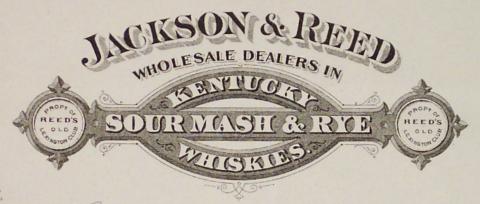
Consumers often wonder why trademark owners seem to sue competitors so often over allegedly-infringing names. A bourbon lawsuit from 1916 helps provide the answer. The February 1, 1906 edition of The Wine and Spirits Bulletin reported that the G. & B. Gerdes Company—owners of… Continue Reading “Old Lexington Club – An Early Bourbon Lesson in Protecting Brand Names.”
Bourbon takes on the L&N Railroad—two titans of the late 1800’s, a fire-breathing locomotive, and bourbon set ablaze…
Not many industries could compete with railroad companies after the Civil War through the early 1900’s. Railroads had reputations for using their power to price-gouge farmers, for otherwise being ruthless and greedy, and for having a wanton disregard for public safety. The public started… Continue Reading “Bourbon takes on the L&N Railroad—two titans of the late 1800’s, a fire-breathing locomotive, and bourbon set ablaze…”
Kentucky Vintage Spirts Sales Start Slow.
Even outside of Kentucky, bourbon enthusiasts know that last year Kentucky passed House Bill 100, which was then signed into law by Governor Matt Bevin, permitting private sales of “vintage distilled spirits” to specially-licensed retailers. This was a much-welcomed exception to the general rule… Continue Reading “Kentucky Vintage Spirts Sales Start Slow.”

