Brian Haara
Bourbon. Law. Author.
Sipp’n Corn Bourbon Review – Bulleit Barrel Strength 2017
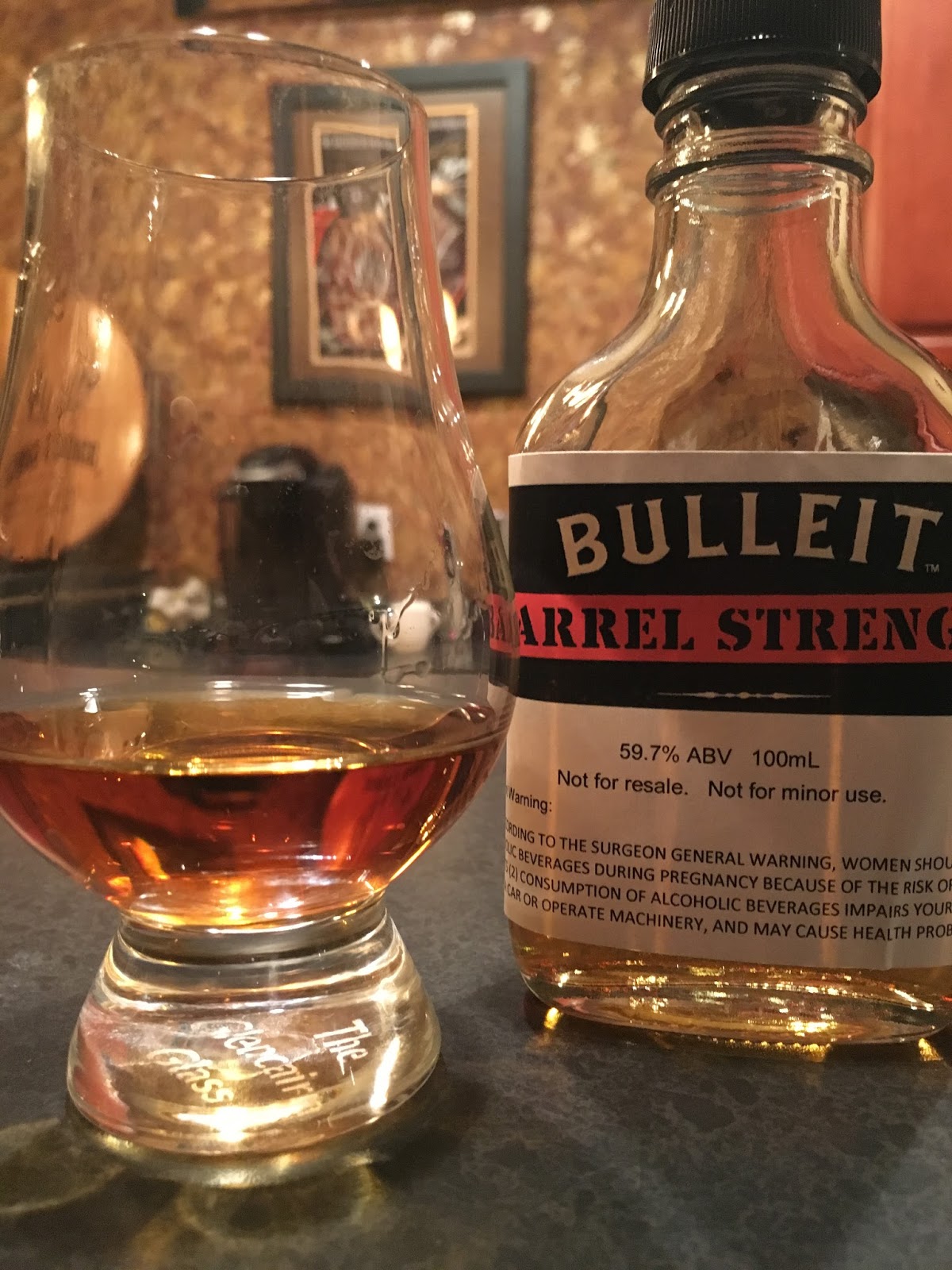
I was a big fan of the 2016 inaugural release of Bulleit Barrel Strength, which was a Kentucky-only release. For 2017, Bulleit has expanded distribution to also include Texas, California, Oregon, Ohio, New York, Illinois, Colorado and Washington DC. The proof of my sample of Batch 2 is virtually indistinguishable compared to Batch 1 (0.4 difference), but it has its own distinct characteristics, and according to Bulleit, other batches will likely range between 120 and 125 proof.
|
Bourbon:
|
Bulleit Barrel Strength (Batch 2)
|
|
Distillery:
|
Unstated
|
|
Age:
|
Unstated
|
|
ABV:
|
59.7% (119.4 proof)
|
|
Cost:
|
$59.99
|
Disclaimer: The brand managers kindly sent me a sample
for this review, without any strings attached.
Thank you.
Tasting Notes
Appearance:
Golden-amber.
Nose:
Swirling intense aromas of rye, baking spice, gingerbread cookies, tobacco barn, and cinnamon candies tell me to get ready for some serious spice. Air in the glass (and also after a week in the bottle) toned down these spicy aromas.
Taste:
The flavors hit high on the intensity scale with sharpness and the predicted rye spice, balanced out by spring grasses, toffee, maple syrup, and oak. Air time resulted in more creaminess on the palate, so I suggest giving it time to breathe.
Finish:
Medium finish, overall dry, and gives the oak its turn to shine.
Bottom Line
The 2017 edition of Bulleit Barrel Strength is destined to be a crowd-pleaser. Bartenders and fans of cocktails that retain Bourbon’s flavor without getting lost in the ice and mixers should flock to this, but it’s also great for sipping by the campfire this summer. Bulleit’s profile begs for barrel strength, so I’m glad that Tom and his team gave us another year of this expression.
Score on The Sipp’n Corn Scale: 3.5
The Sipp’n Corn Scale:
1 – Swill. I might dump the bottle, but will probably save it for my guests who mix with Coke.
2 – Hits the minimum criteria, but given a choice, I’d rather have something else.
3 – Solid Bourbon with only minor shortcomings. Glad to own and enjoy.
4 – Excellent Bourbon. Need to be hyper-critical to find flaws. I’m lucky to have this.
5 – Bourbon perfection. I’ll search high and low to get another bottle of this.
Kentucky Bourbon Affair – A True Bourbon Fantasy Camp.
As the 2017 Kentucky Bourbon Affair (June 6-11) draws near, I was reminiscing with friends about last year’s event, where I started by going in-depth at Four Roses, tried pre-prohibition T.W. Samuels the following evening, and wrapped up the next day by shooting skeet with Eddie Russell at Wild Turkey.
 On the Four Roses trip, Al Young was our surprise MC for the bus ride from Louisville to Lawrenceburg. He regaled us with Four Roses stories from the past 50 years and passed around historical documents for the research fanatics amongst the group. It made the short trip pass even faster, and before we knew it, Brent Elliott was greeting us for a Q & A session followed by an in-depth tour of the distillery. We learned every step of the distillation process, and could see the planned expansion taking shape.
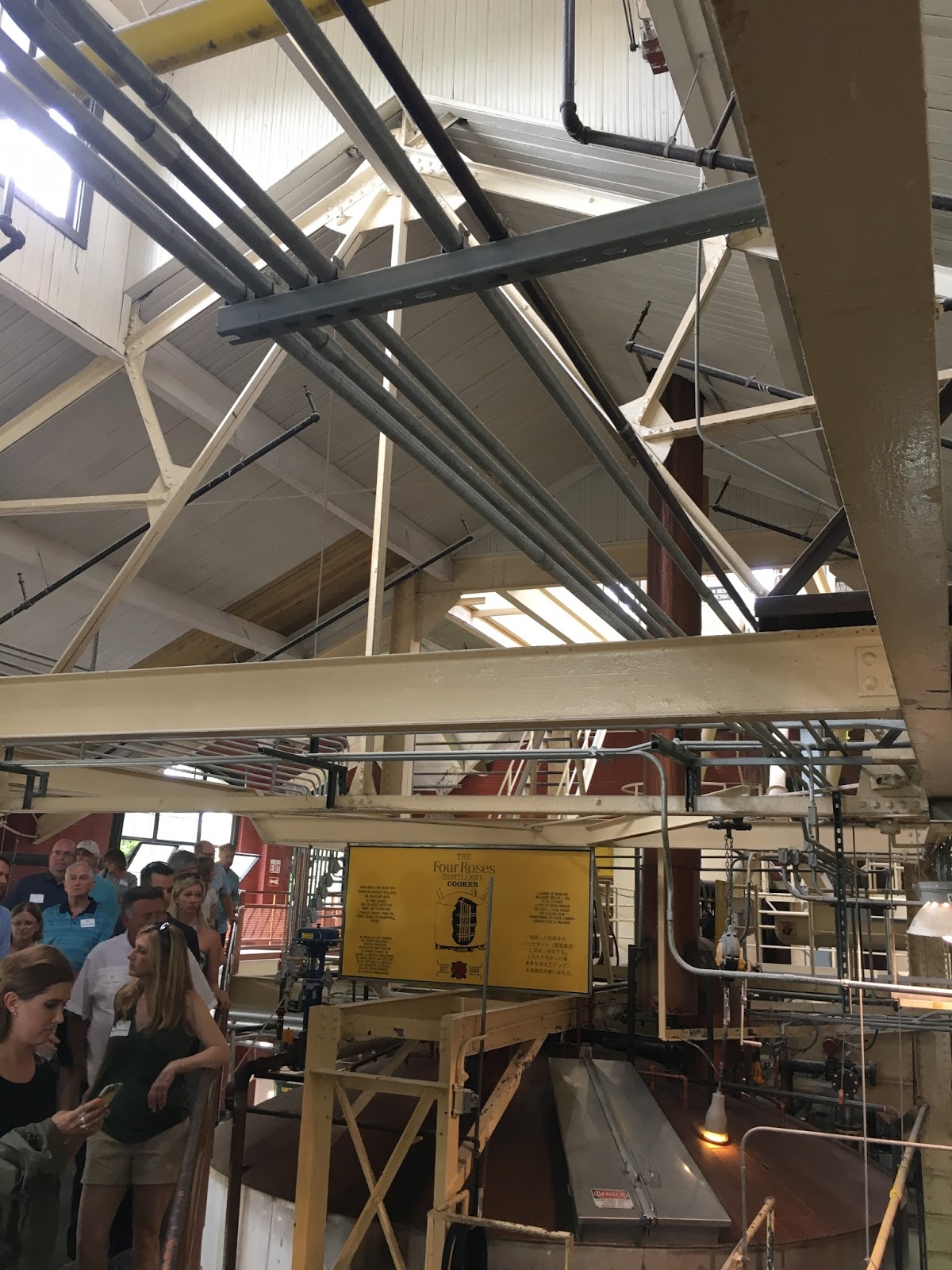 After lunch and a tasting of Yellow Label, Small Batch, Single Barrel, and Elliott’s Select Limited Edition guided by Brent, I had the chance to get into the weeds with him about the use of other yeast strains and citric acid, which he said was the first time he’d ever discussed those issues with a consumer. Then we all headed to Cox’s Creek for a demonstration of the barrel dumping and bottling facility, along with a tour of their unique single-story warehouses.
The next day, after another trip to Four Roses with the Mellow Moments group and getting the first opportunity to buy a bottle of Elliott’s Select Limited Edition, my wife and I, along with several friends, headed out to Rob Samuels’ home for dinner and a tasting of century-old T.W. Samuels. Rob’s hospitality rivaled his father’s (in 2015 I went to a crab and crawfish boil at Bill, Jr.’s home with the Bourbon Affair; read about it here), and we heard Rob’s perspective on growing up in the Maker’s Mark world, the development of Maker’s 46, and the Maker’s 46 private barrels that were just starting to be released. But the focus of the Bourbon tasting was taking a sip through time with a 1917 bottle of T.W. Samuels made by the Samuels family long before the Maker’s Mark brand existed.
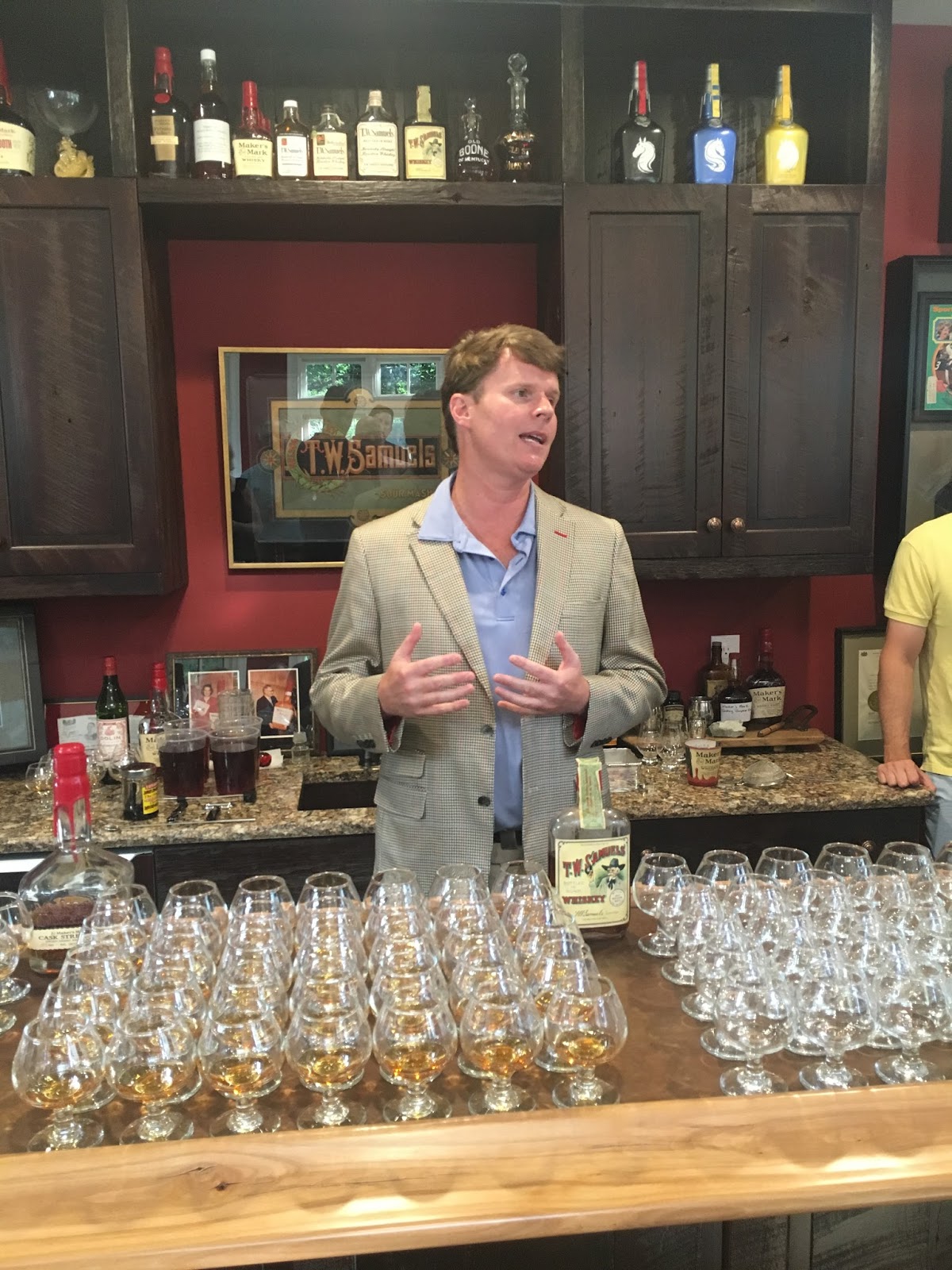 Legend has it that Bill, Sr. burned the old family recipe when he struck out on his own to form Maker’s Mark, and if this 1917 bottle represented the old recipe, then Bill, Sr. did us all a huge favor. While maybe we can blame oxidation over the passage of time, “wet cardboard” is the best way to describe this old whiskey. I had to cleanse my palate and get back to Maker’s 46 ASAP.
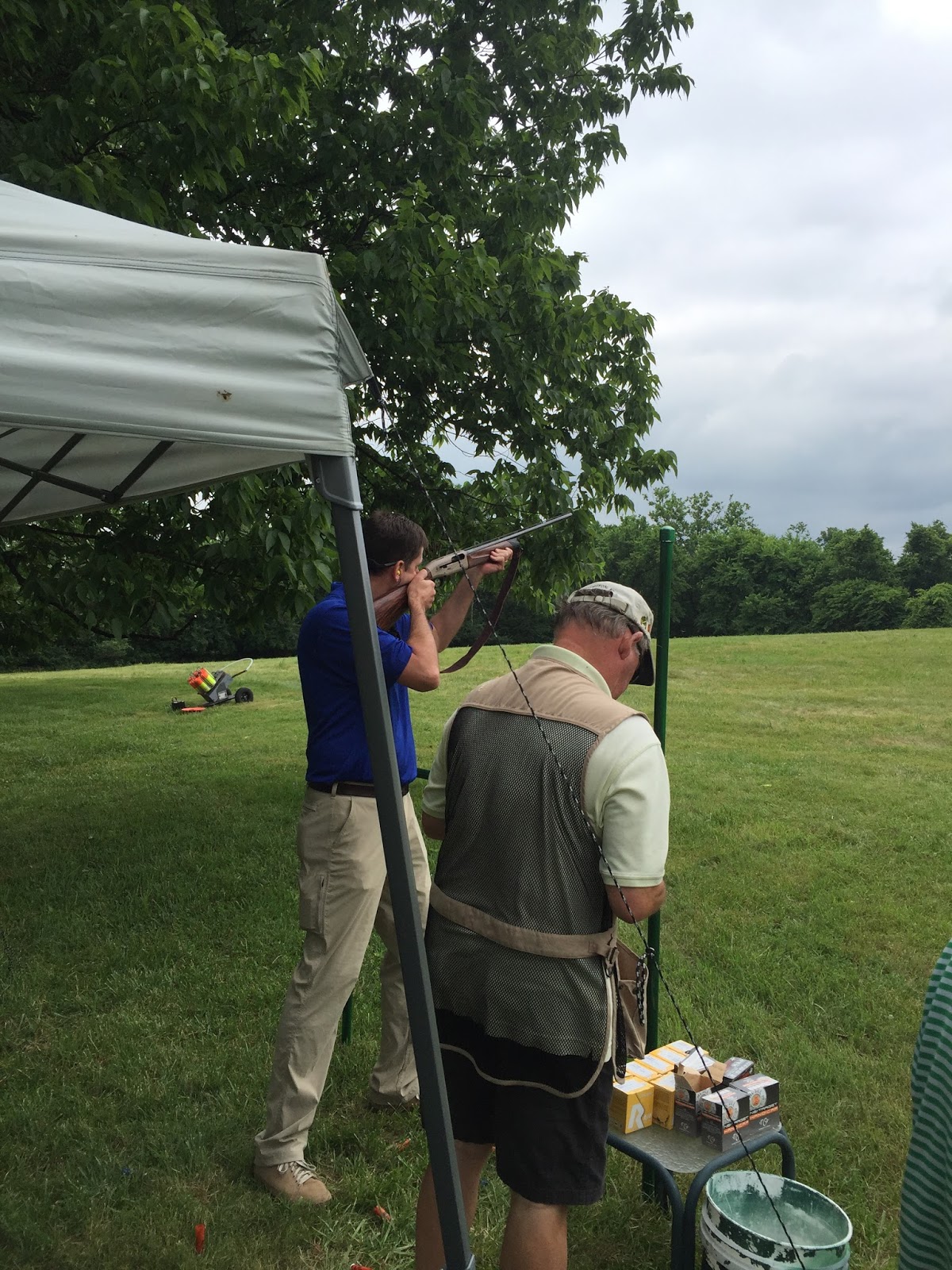 Last but not least, Wild Turkey was an absolute blast, literally. This event was perfect for me to bring along a great friend and client (who inquired into whether he could bring his own shotgun). We had expert marksmen guide us through skeet shooting, and teach us the finer points of the sport. After an in-depth tour of the distillery led by Eddie Russell, we were treated to lunch with Jimmy and Eddie, along with a guided tasting of Diamond Anniversary, Master’s Keep, and Decades before heading home.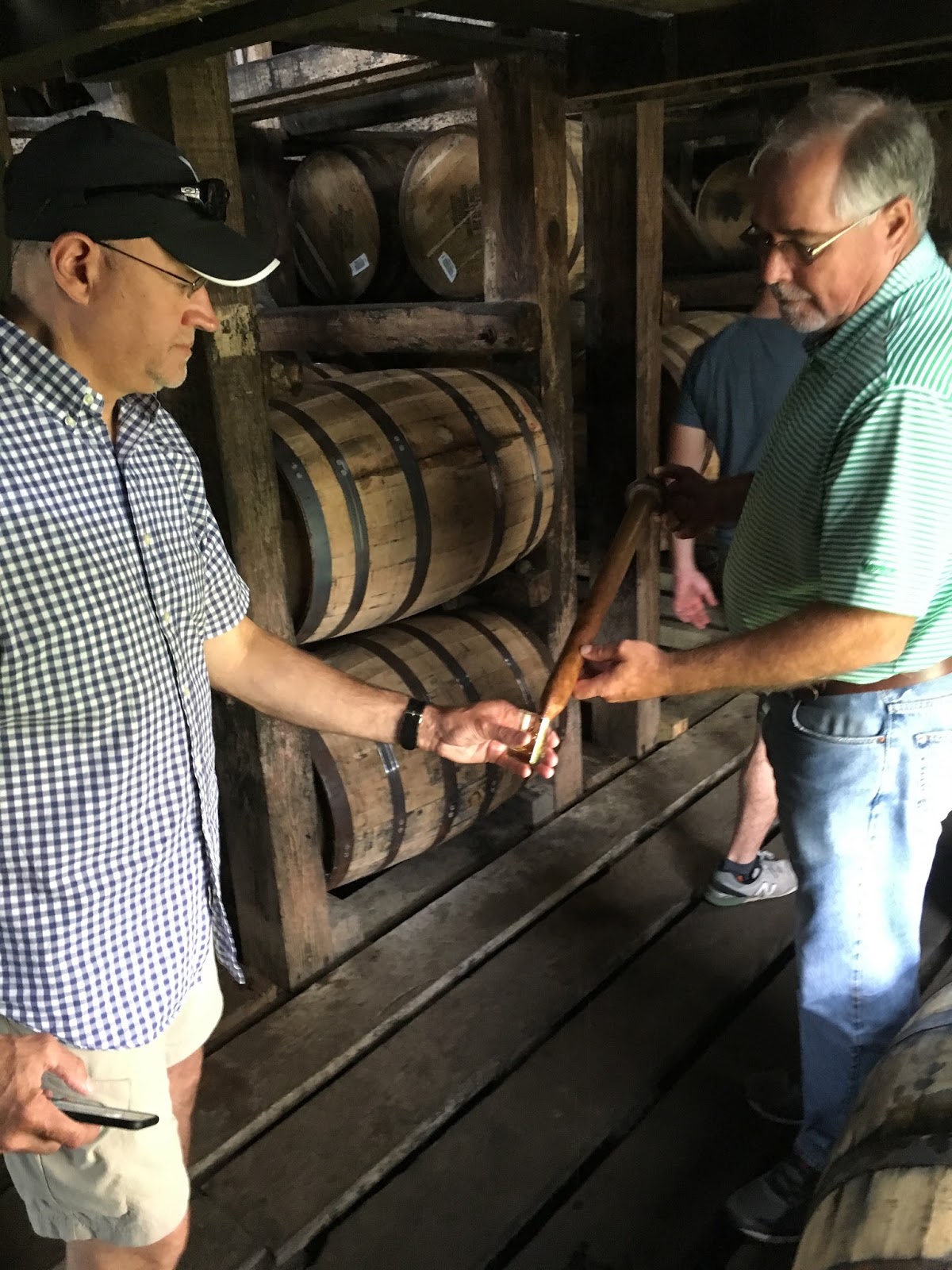
If standard 30 minute tours leave you wanting more, check out the 2017 Kentucky Bourbon Affair, and you won’t be disappointed.
Sipp’n Corn Bourbon Review – Trader Joe’s Kentucky Bourbon
Updated April 11, 2017: A Public Relations Manager who saw this review emailed me today to state that Trader Joe’s Bourbon “is from Bardstown and is Barton juice,” and she asked me to update this post accordingly. Thank you for answering the question about the source.
Tax day is around the corner again, so it’s back to the bottom shelf for me until I snap out of my annual funk, or until I realize that many bottom shelf whiskies are there for a reason.
|
Bourbon:
|
Trader Joe’s Kentucky Bourbon Straight Whiskey
|
|
Distillery:
|
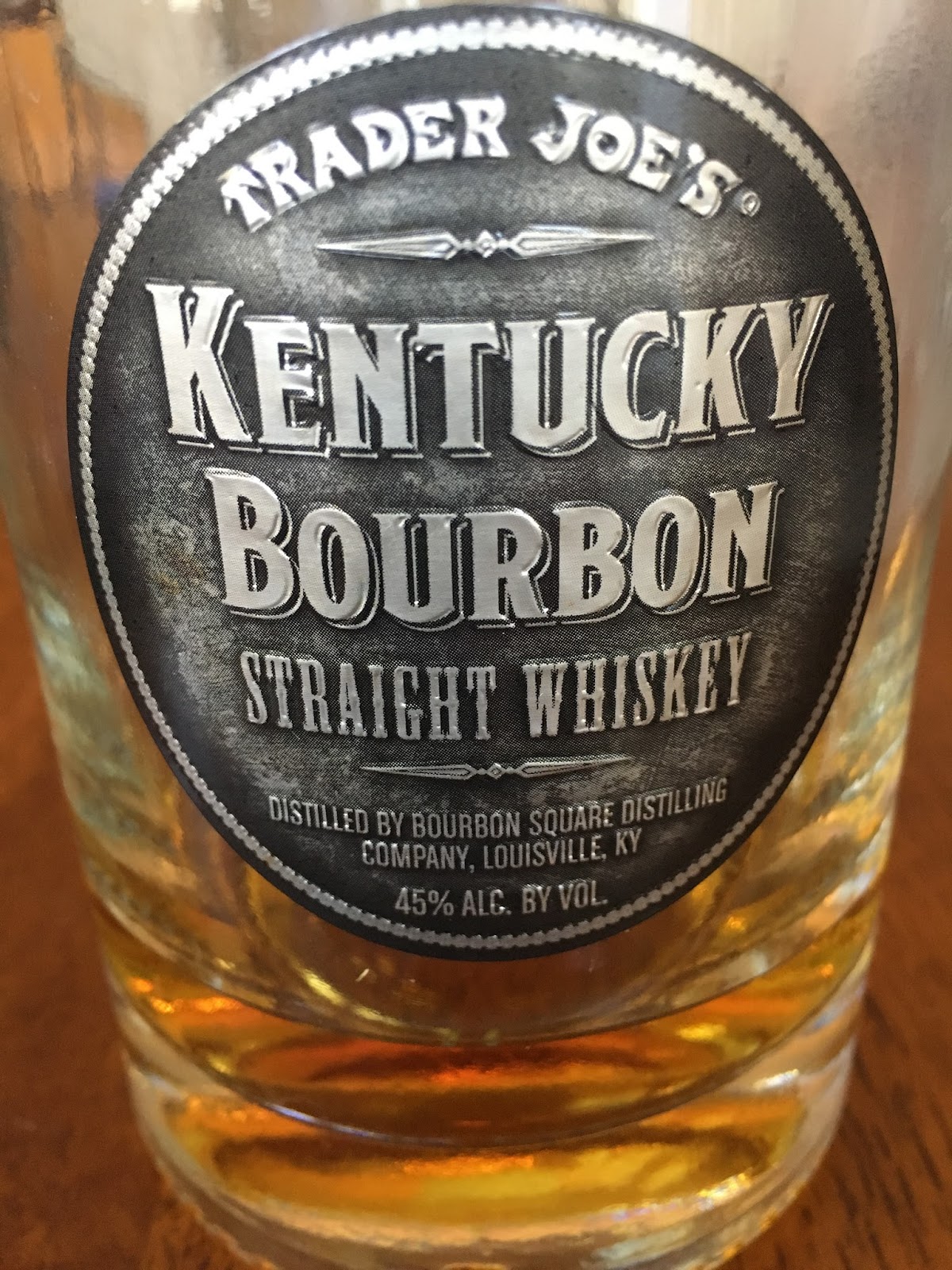
The label claims that it was “Distilled by Bourbon Square Distilling Company, Louisville, KY” but there is no such distillery in Kentucky, let alone in Louisville.
|
|
Age:
|
NAS, so it should be at least four years old
|
|
ABV:
|
45% ABV (90 proof)
|
|
Cost:
|
$15.00
|
Tasting Notes
Appearance:
Slightly on the brown side of standard amber.
Nose:
Grain, corn sweetness, some vanilla, a little pepper, only a little rye grain, and not much oak.
Taste:
The taste is young-ish, with some standard caramel and other standard Bourbony-flavors, but nothing much stands out. It was uninspiring neat, and an ice cube or water muted whatever favorable flavors existed in the first place. I also tried it in Kentucky Mules, where the ginger, mint, and lime took the lead and made Trader Joe’s Bourbon perfectly serviceable.
Finish:
Short and on the verge of bitter.
Bottom Line
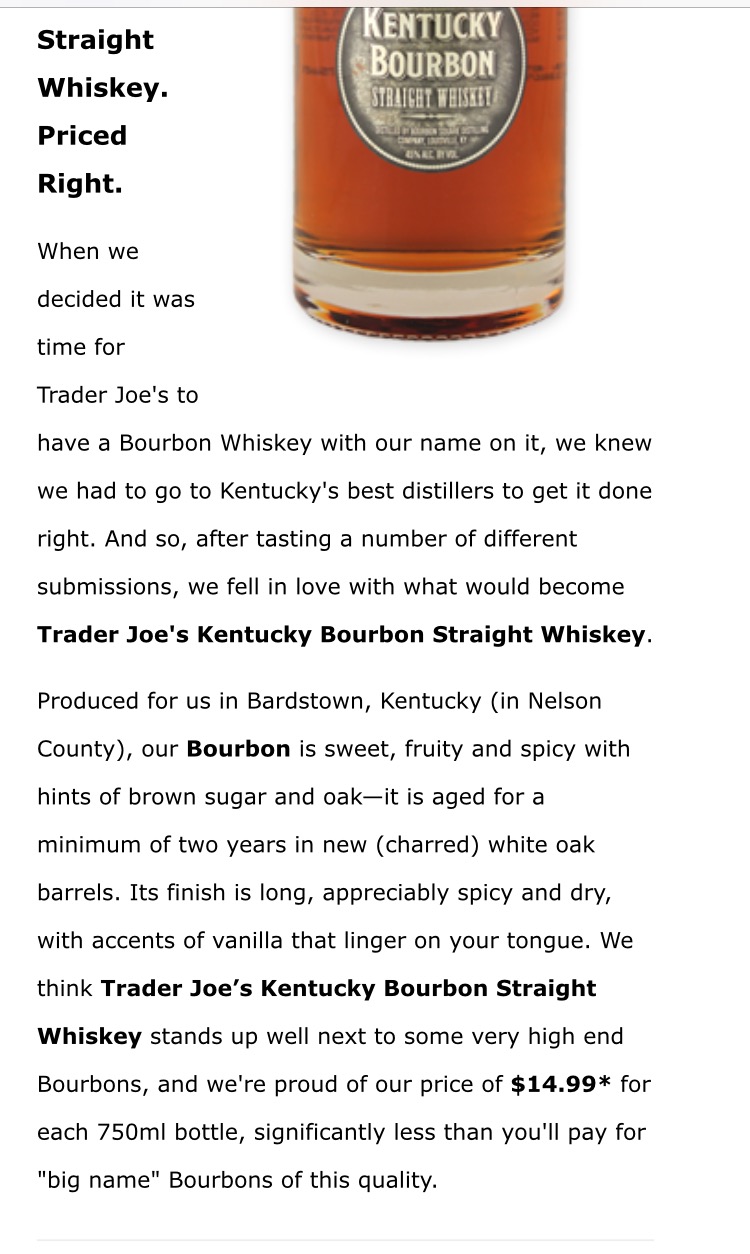 First, for the source, a 2013 promotion on Trader Joe’s website states that its Bourbon is sourced from Bardstown, Kentucky. A few reviews claim that Trader Joe’s Bourbon is sourced from Barton, which would be consistent with the company’s promotion, but inconsistent with the label, which represents that it is “distilled by Bourbon Square Distillers, Louisville, KY.” A third option we could believe is the source filed with the Kentucky Secretary of State, which shows that Bourbon Square Distillers is actually an assumed name of Buffalo Trace, with Buffalo Trace’s address in Frankfort, Kentucky. Which is it, Bardstown, Louisville, or Frankfort?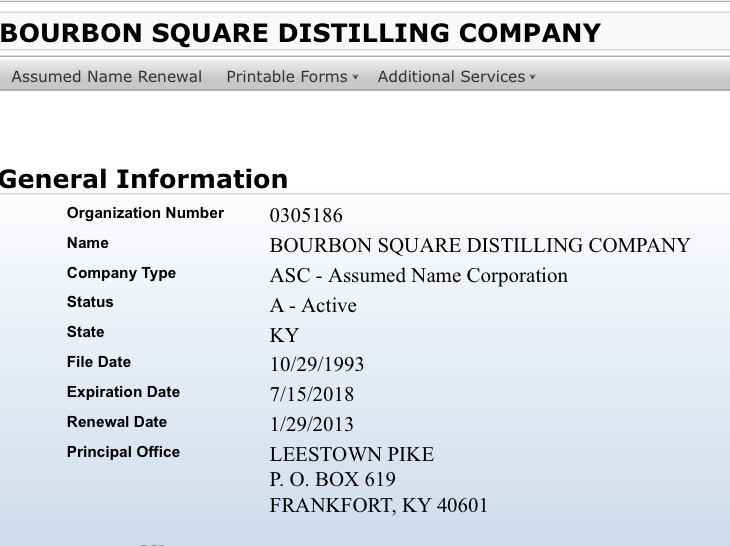
Sadly, this Bourbon wasn’t good enough for me to care about the brand’s conflicting representations. If you want cheap Bourbon for a mixer and you think that Trader Joe’s is a cool store, go for it. Otherwise, Trader Joe’s Bourbon is a hard pass. You’re better off with Four Roses Yellow Label, Wild Turkey 101, or Heaven Hill Bottled in Bond, just to name a few.
Score on The Sipp’n Corn Scale: 1.5
The Sipp’n Corn Scale:
1 – Swill. I might dump the bottle, but will probably save it for my guests who mix with Coke.
2 – Hits the minimum criteria, but given a choice, I’d rather have something else.
3 – Solid Bourbon with only minor shortcomings. Glad to own and enjoy.
4 – Excellent Bourbon. Need to be hyper-critical to find flaws. I’m lucky to have this.
5 – Bourbon perfection. I’ll search high and low to get another bottle of this.
Sipp’n Corn Review – Minor Case Sherry Cask Finished Straight Rye
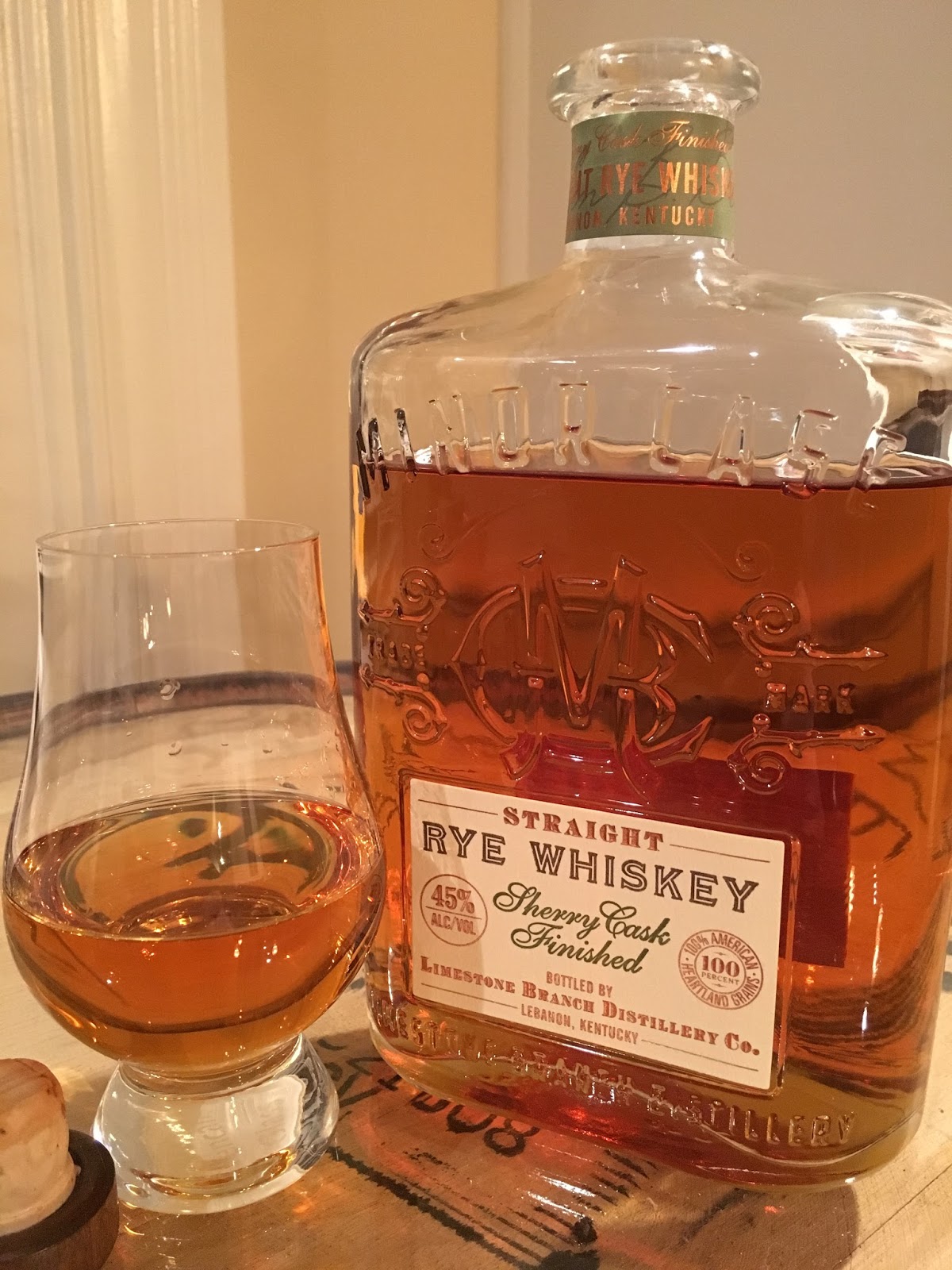
While Limestone Branch continues to distill and age its own whiskies (and while it expands), its partnership with Luxco has given Steve and Paul Beam access to additional sourced whiskey – this time Straight Rye Whiskey from Indiana. Just as Limestone Branch was transparent with its previous releases of sourced Bourbon while resurrecting the family heritage of Yellowstone, Minor Case honors their family heritage and their grandfather Minor Case Beam with similar transparency.
Coincidentally, Luxco has also just released a two-year Rye, so the starting point of these two whiskies could be the same, although MGP has different Rye mash bills. One clear difference is in the finishing at Limestone Branch. Additionally, an aesthetic difference is in the packaging; the bottle for Minor Case Rye is absolutely beautiful. In fact, I can’t think of another whiskey bottle that makes such an impression. I was interested to see whether a two-year Rye could be as impressive as its appearance.
|
Whiskey:
|
Minor Case Sherry-Finished Straight Rye
|
|
Distillery:
|
Finished and bottled by Limestone Branch Distillery, Lebanon, Ky.
Distilled in Indiana, so presumably MGP
|
|
Age:
|
2 years
|
|
ABV:
|
45% (90 proof)
|
|
Cost:
|
$49.99
|
Tasting Notes
Appearance:
Light amber, but darker than typical two-year old whiskey, presumably a more subtle contribution of sherry cask finishing.
Nose:
Great fruity nose with berries and light fruit like pear, and an enticing balance of rye spice. There is not much oak influence, but that is to be expected. Lack of oak, however, does not mean that has aromas like many young whiskies. Perhaps again because of the sherry influence, this does not smell like a young whiskey.
Taste:
Like the nose—and just as expected given the age—this is not an oaky Rye, but frankly it doesn’t need oak. Flavors of peaches, apricot, brown sugar, coffee cake with icing, and a hint of raisin make this a predominantly sweet Rye. The rye spice is warming, which tells me that this is not MGP’s 95% rye mash bill; it drinks more like a really high-rye Bourbon, but that also might be the sherry cask influence. This whiskey feels older because of its warming and coating sensations, without the telltale signs of being a relatively young whiskey. I would never have guessed the age.
Finish:
Crisp to medium finish, with a swell of cinnamon, dried fruit sweetness, and cocoa.
Bottom Line
Sherry casks have been a huge part of Scotch Whisky, but not so much with Bourbon or Rye Whiskey. My only other point for comparison is the Canadian Rye Alberta Premium Dark Horse, which actually blends in a little bit of Oloroso Sherry. That one was a little too unbalanced for my liking, but Limestone Branch found a fantastic balance, which I hope can be duplicated in future batches. I’ll be interested to see whether Limestone Branch tries the same finishing approach if Luxco can get access to older stocks from MGP. Can you imagine a Rye NCF barrel-strength equivalent of Aberlour a’bunadh?
In the meantime, Minor Case Sherry-Finished Rye is a winner. It’s so good that I wonder why sherry cask finishing hasn’t been more popular with American Rye producers.
Sipp’n Corn Review – Kentucky Straight Rye Whiskey Battle Royal
Over the past few years, American Straight Rye Whiskey has begun to experience a renaissance much like the early years of the Bourbon craze. And like the Bourbon market, distillers and other producers are clamoring to repackage earlier, lower-shelf brands as premium, super-premium, and limited edition offerings. Jim Beam “yellow label” Rye was a cheap option that was phased out in favor of a new green label option, reimaged to include the slick marketing claim that it is crafted from a “pre-Prohibition recipe.” And Beam did not stop there; it also released a super-premium Booker’s Rye limited edition with a suggested retail price of $299.00, which was named 2016 “Whiskey of the Year” by many. That all sounds eerily similar to what happened with Bourbon …
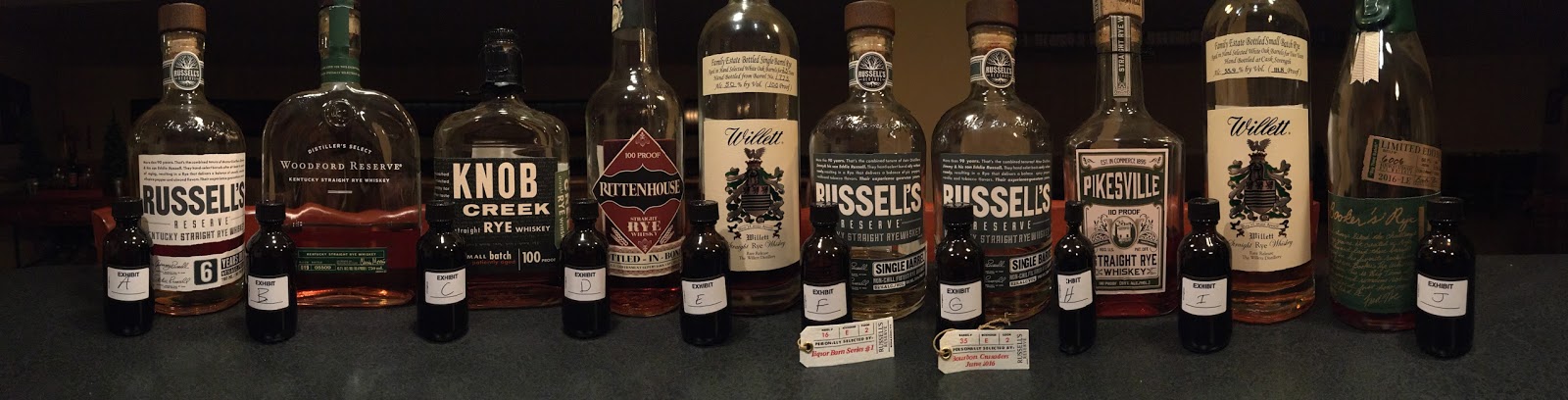
For this review, I wanted to take a large cross-section of Rye Whiskey from usually-available to scarce (but attainable), and from young to old. Every one of my selections was bought at retail prices without going to the secondary market or waiting in line for a chanceto purchase. Even without lotteries and lines, I was able to get a Booker’s Rye and a Willett 25, so keep that in mind the next time you’re tempted to camp outside of a store. It might have been nice to include the strictly-allocated brands that flippers clamor to get, but then this comparison wouldn’t be realistic for the vast majority of consumers.
I decided to go with all American Straight Rye Whiskies so that I was comparing apples to apples, and so that I could be assured that there were no coloring or flavoring additives. I also avoided anything finished in other barrels; this is pure Straight Rye Whiskey. To further narrow the field, I went with Kentucky Straight Rye (sorry MGP), even if it is not labeled as Kentucky (like Pikesville). This knocked out most merchant bottlers, including – admittedly – some that might have challenged for high rankings.
This undertaking was big enough that I knew I needed help, so I assembled a panel of friends with trusted palates for a blind comparison. I arranged the samples by proof, but did not tell the group anything about the order. They only knew that they were trying Straight Rye Whiskey. My own initial tasting and scoring was also blind, but I re-tasted non-blind after compiling and averaging all of the rankings.
Here are the contestants, ordered by proof:
|
A.
|
Russell’s Reserve Kentucky Straight Rye Whiskey Small Batch
Distillery: Wild Turkey, Lawrenceburg, Kentucky
Age: 6 years
Proof: 90 proof
Percentage rye grain: 51%
Cost: $45.00
|
|
B.
|
Woodford Reserve Kentucky Straight Rye Whiskey
Distillery: Distilled at Brown-Forman, Louisville, Kentucky and bottled at Woodford Reserve, Versailles, Kentucky
Age: NAS
Proof: 90.4 proof
Percentage rye grain: Unknown
Cost: $40.00
|
|
C.
|
Knob Creek Kentucky Straight Rye Whiskey
Distillery: Jim Beam, Clermont, Kentucky
Age: NAS
Proof: 100 proof
Percentage rye grain: Unknown
Cost: $35.00
|
|
D.
|
Rittenhouse Bottled in Bond Kentucky Straight Rye Whiskey
Distillery: Heaven Hill New Bernheim Distillery, Louisville, Kentucky and aged in Bardstown, Kentucky
Age: NAS
Proof: 100 proof
Percentage rye grain: 51%
Cost: $30.00
|
|
E.
|
Willett Family Estate Single Barrel Kentucky Straight Rye Whiskey
Distillery: Undisclosed (but maybe Old Bernheim)
Age: 25 years
Proof: 100 proof
Barrel No. 1773
Bottle 73 / 84
Percentage rye grain: Unknown
Cost: $350.00 (more recent releases cost $750)
|
|
F.
|
Russell’s Reserve Kentucky Straight Rye Whiskey Single Barrel (Liquor Barn)
Distillery: Wild Turkey, Lawrenceburg, Kentucky
Age: NAS
Proof: 104 proof
Barrel No. 16
Warehouse E, 2nd floor
Percentage rye grain: 51%
Cost: $69.00
|
|
G.
|
Russell’s Reserve Kentucky Straight Rye Whiskey Single Barrel (Bourbon Crusaders) (via Joyal’s)
Distillery: Wild Turkey, Lawrenceburg, Kentucky
Age: NAS
Proof: 104 proof
Barrel No. 35
Warehouse E, 2nd floor
Percentage rye grain: 51%
Cost: $65.00
|
|
H.
|
Pikesville Straight Rye Whiskey
Distillery: Heaven Hill New Bernheim Distillery, Louisville, Kentucky and aged in Bardstown, Kentucky
Age: 6 years
Proof: 110 proof
Percentage rye grain: 51%
Cost: $50.00
|
|
I.
|
Willett Family Estate Small Batch Kentucky Straight Rye Whiskey
Distillery: Willett Distillery, Bardstown, Kentucky
Age: 2 years
Proof: 111.8 proof
Percentage rye grain: Unknown
Cost: $35.00
|
|
J.
|
Booker’s Kentucky Straight Rye Whiskey
Distillery: Jim Beam, Clermont, Kentucky
Age: 13 years
Proof: 136.2 proof
Percentage rye grain: Unknown (but not standard Beam)
Cost: $320.00
|
And the Winner is…
In this comparison of ten Kentucky Straight Rye whiskies from across the age spectrum, from two years old to aged as long as you’ll ever see, and from affordable to market-leading expensive, I wondered whether the two heavyweights could withstand the challenge. They mostly did, but what I really learned was that after the top three and bottom two were established pretty conclusively (but my no means unanimously), personal preference was the key. Between those bookends, the panelists had some dramatically-different reactions to the same whiskey, although it’s also true that the averages were fairly delineated from top to bottom.
In other words, drink what you like and what makes you happy, and just use ratings, rankings, and reviews as a guide, except maybe for the extremes. With that said, the oldest, rarest Rye won in an absolute landslide:
Rye Battle Royal Results:
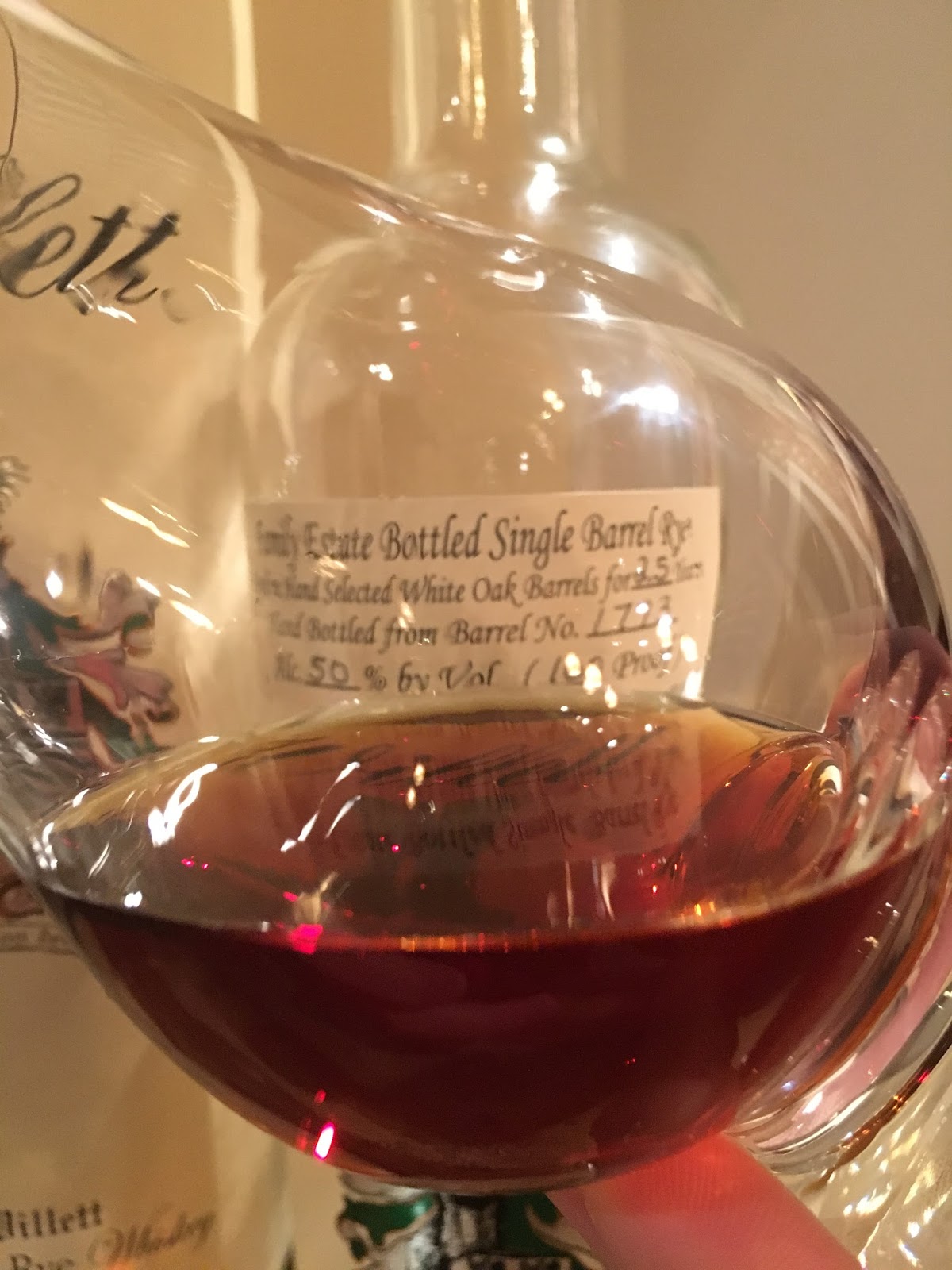
1. Willett Family Estate 25-year Rye
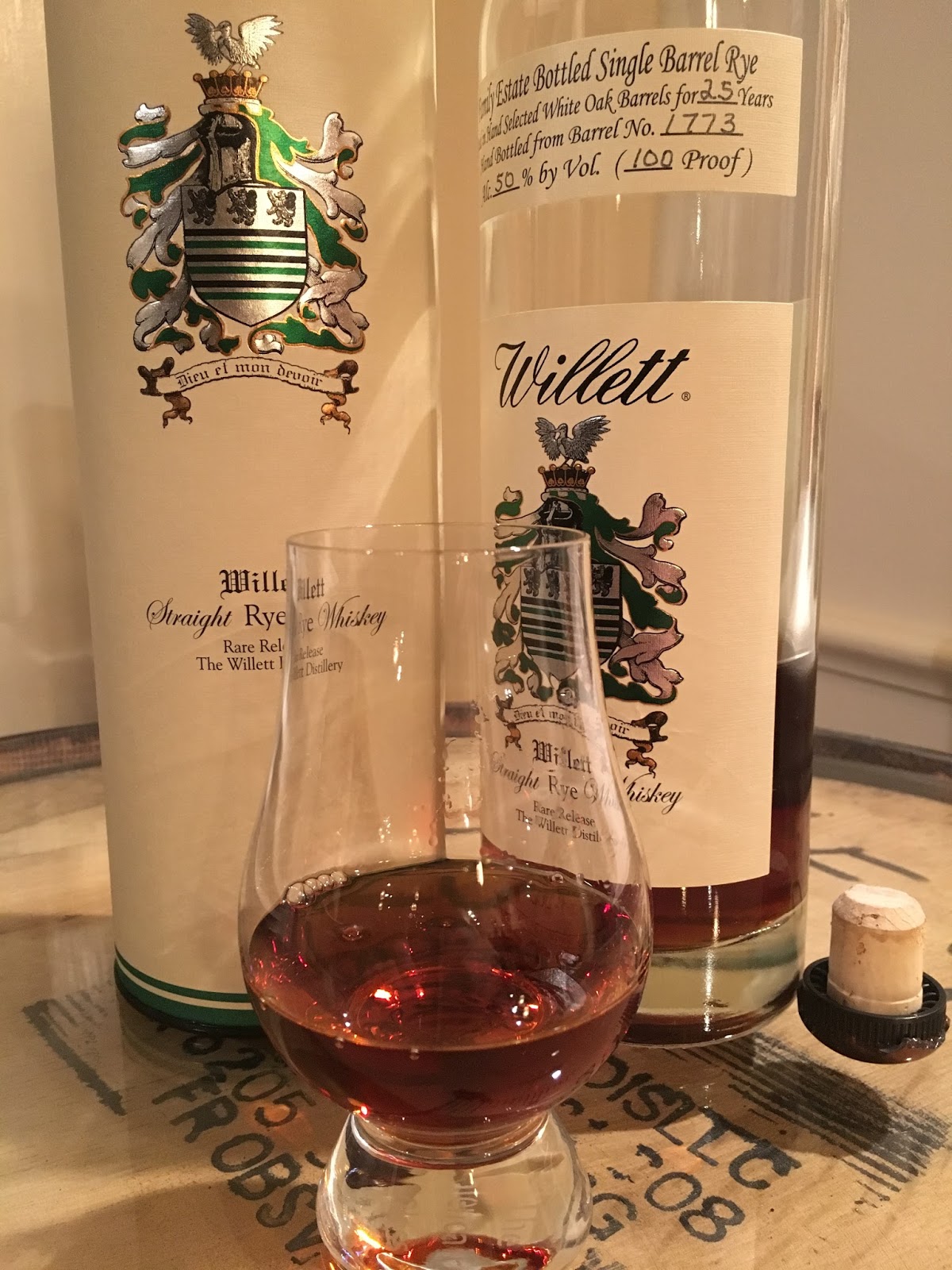 Boom – this Willett was ranked 1stby five out of the seven panelists. Believe the hype about these extra-aged Ryes that have been trickling out from Willett. The color – a dark mahogany – ranks as dark as I’ve experienced. Intense aromas of brown sugar, dark fruits, tobacco, and heavy oak previewed a thick, syrupy mouthfeel with rich, layered flavors. Those who don’t like oak might want to move on (although it’s not as oaky some other extra-aged whiskies), but it also nails dark fruit (plums, cherries), dark chocolate, pralines, brown sugar, and rich caramel for a true desert quality. The finish has a remarkably long swell. Enjoy a whiskey like this neat, over a long, relaxing time.
2. Pikesville
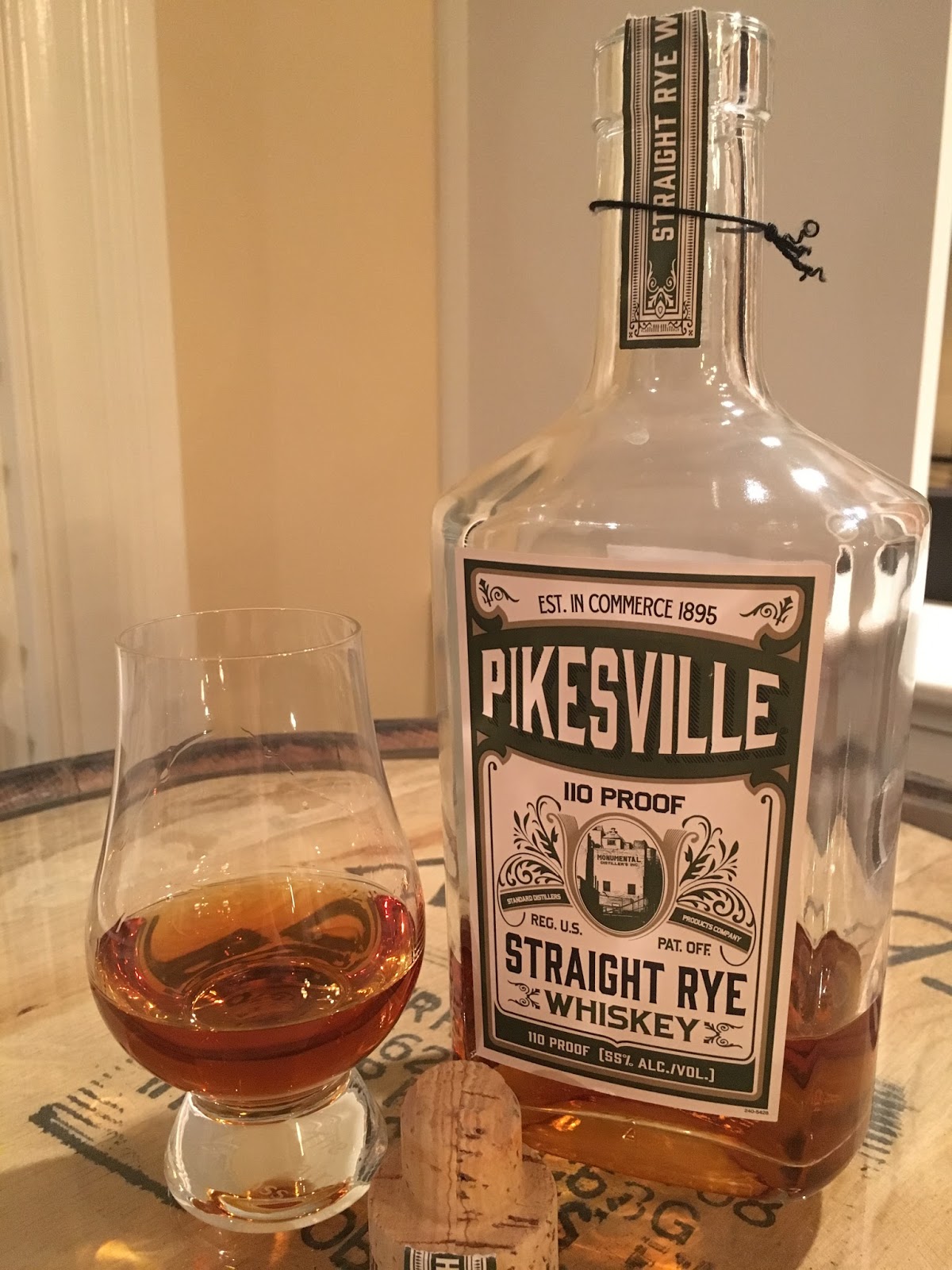 Even though the oddsmakers had Pikesville coming in third, this is a majorupset for it to come in second, barely nudging out Booker’s Rye by only 0.14 points. It’s basically a tie (and using the median would have reversed the order), but I had to go with the mathematical winner. Pikesville barely qualifies as Rye Whiskey with 51% rye grain and 39% corn, which in many ways makes it similar to a high-rye Bourbon. In part because of the corn percentage, it’s sweeter than I often think of for Ryes, but it’s extremely well balanced with rye spice, black pepper, and mint, so it’s not just a “sweet Rye.” It’s simply a fantastic whiskey, beginning with well-rounded nose and continuing with a great mouthfeel and solid warming finish. If you’re looking to spend $50 on a Rye, Pikesville makes your decision easy. Pikesville was scored consistently high by the panel, never dropping below 4th by anyone, but not garnering any first-place votes, either.
3. Booker’s Rye
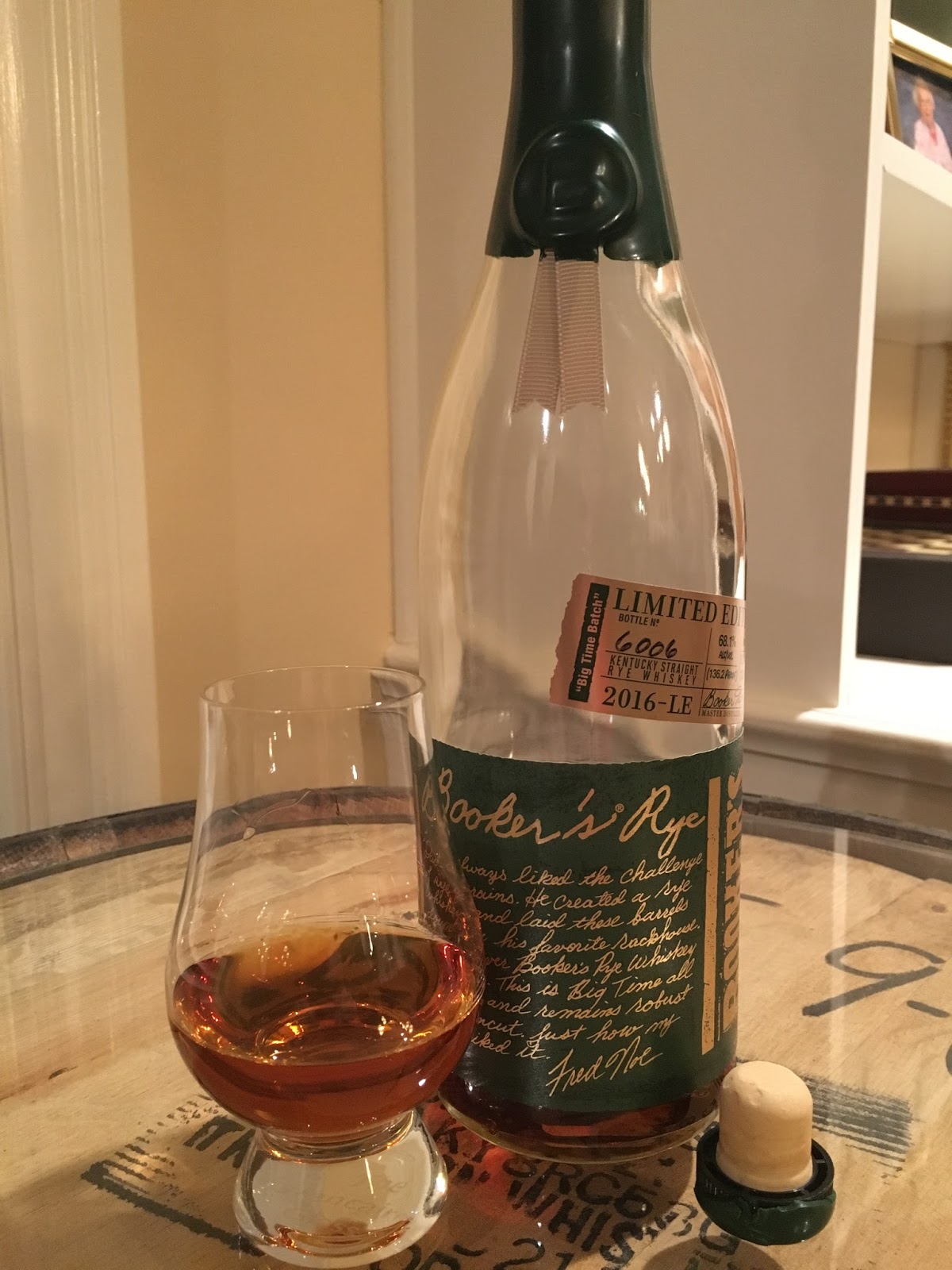 2016 Whiskey of the Year? That’s something that I contemplated when I reviewed it last summer, and it has since received this accolade from the big-time reviewers. We certainly can’t dispute those who think so, but it fell to an average of 3rd place here by the thinnest of margins, with one 1st-place vote, and one much lower ranking by a panelist who thought it smelled like “cinnamon flavored paint thinner” and was too hot and tannic. Still, there’s no denying that Booker’s Rye is a legitimate Whiskey of the Year. Comments remarked on its “dark and sultry nose,” and it absolutely bursts with layers of spice. Plus it also has outstanding balance and a fantastic finish (one panelist wrote the finish spread like “ripples on a calm lake”).
4. Russell’s Reserve Rye – Single Barrel (Liquor Barn)
The profiles of some Russell’s Reserve Bourbon private barrels have varied greatly, so I wanted to see whether the Rye would be more consistent, and I wanted to compare two of the best sources of private barrel selections. It turns out that they share some similarities, but this one was much sweeter, with butterscotch, buttered popcorn, and vanilla playing the primary role with nuttiness and spice in the backbone. The Liquor Barn barrel also has a much more prominent Big Red cinnamon flavor. While receiving rankings mostly straight down the middle, this Russell’s Reserve received one 2nd-place vote and one 10th-place vote, both probably due to the sweetness.
5. Russell’s Reserve Rye – Single Barrel (Bourbon Crusaders)
This is a great Rye, so 5thplace surprised me more than any other result, and it’s much lower than my personal scoring. This is a classic Rye where it’s spicy without screaming heat, and sweet without sugary candy. Starting with aromas of oak and black pepper, the taste continues with oak, pepper, and baking spices balanced by cherry, crème brûlée, and crisp fruit with cocoa that hits at the tail end right before the beginning of the medium finish.
6. Knob Creek Rye
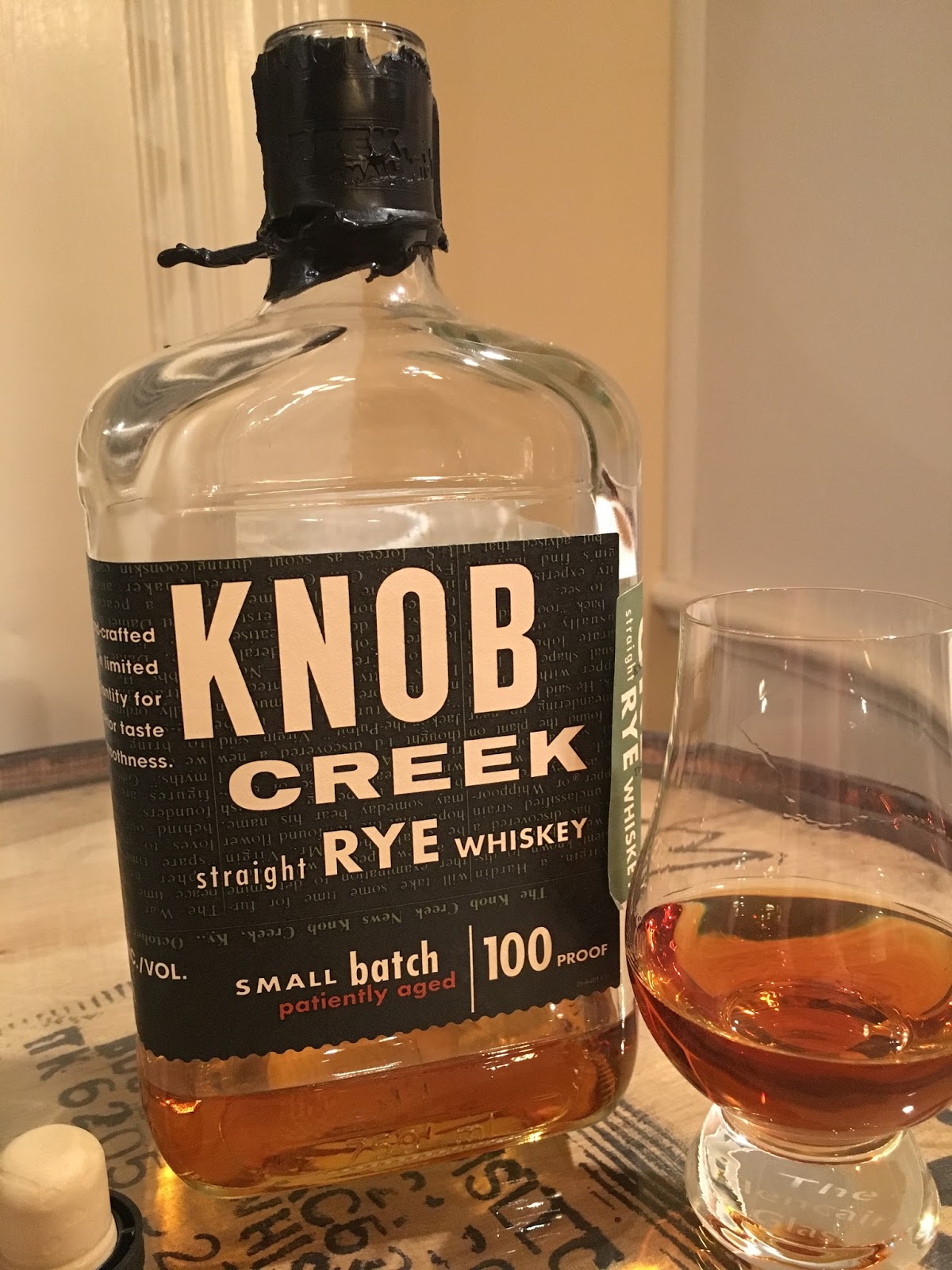 Already the volume King of Bourbon, Jim Beam is making a run at Rye King with its Booker’s Rye, and a very respectable Knob Creek Rye. Leather, woody and spice balanced by nougat, with noticeably high ABV, were common comments. Knob Creek Rye has a medium finish that holds onto the rye spice and pepper throughout. Claiming the second-lowest price of the contestants, Knob Creek Rye certainly takes the title of price performer.
7. Woodford Reserve Rye
Woodford Reserve’s core brands of Distiller’s Select and Double Oaked Bourbon enjoy great popularity for good reason (and I’m still keeping my fingers crossed for a barrel-strength offering from Woodford), but the Rye hasn’t caught on yet. After a nice nose, most panelists thought that the taste was thin and weak. One panelist noted an acetone finish with “cinnamon that coats your nasal passages.” One of the best comments that I’ve ever read (good or bad) about whiskey described the “funky” finish in these terms: it “tosses you about like a wagon ride over a cobblestone street, with each wheel shaped differently.” Woodford Reserve Rye was ranked 10th by a couple of panelists, but other higher rankings nudged it up to 7th place. In some respects, this was a polarizing Rye.
8. Russell’s Reserve Rye – Small Batch
Wild Turkey nails a sweet Rye with its six-year Small Batch. The proof seemed a little low for this Rye, and I can’t help but wonder what this would be like at the 101 that Wild Turkey has made famous. Light bananas, macadamia, and well-rounded candy notes made for a delicious – albeit sweet – Rye. A less-than-subtle nose and the lack of a rye-grain kick makes this less of what we expected in a Rye Whiskey, but it was enjoyable in its own right.
9. Willett Family Estate 2-year Rye
Great things are happening at Willett, and I can’t wait for its earliest batches of Rye and Bourbon to mature. This one might be the best two-year Rye that I’ve had, but when compared to Rye with age, many panelists thought that it could have used more time in the barrel. A couple of panelists loved it though. The “love it” or “hate it” impression was shown by the widest spread of votes in two distinct camps (2nd and 3rd place, versus 9’s and 10’s, with nothing in between). Comments for this polarizing Rye ranged from “crisp and lively” and “lovely golden raisin,” to “fish oil pills” and “vile stuff.” Personal preference for young whiskey – or an aversion to it – probably explains these two extreme camps.
10. Rittenhouse Bottled in Bond Rye
It’s a shame that Rittenhouse BIB fell to 10th place because it did not receive a single 10th-place vote; consistent 8’s and 9’s spelled doom. Rittenhouse was mistaken as a young craft Rye with muddled flavors and an orange marmalade quality, and there’s some green wood, but there’s also dark fruit, cinnamon, and the expected rye spice. While by no means a show-stopper, Rittenhouse BIB hits the Rye Whiskey criteria, and as the lowest-priced Rye out of the ten, it is often considered a great value. I think this would fare well in a $30-and-under Battle Royal, but it fell flat with this group.
If your favorite Rye isn’t on this list, spend some time in 2017 comparing it with Pikesville, a Russell’s Reserve Single Barrel, or Knob Creek, or any of the other readily-available Ryes, and you might be surprised. As Rye continues to expand, you’re bound to have plenty of choices.
 Brian Haara