Brian Haara
Bourbon. Law. Author.
The Samuels House—Spend a Night at the (Bourbon) Museum.

A trip to Kentucky to visit Maker’s Mark and other distilleries on the Kentucky Bourbon Trail® just got even more enticing with your chance to live inside Kentucky bourbon history dating back to 1820.
When it comes to heritage and longevity, the Samuels family stands atop all whisky families. Yes, whisky without the “e” because that’s how Maker’s Mark does it. The Samuels family began distilling whisky by at least 1783, and in 1840, Taylor William “T.W.” Samuels opened the family’s first commercial distillery in Kentucky. The Samuels line of whisky making is unbroken through eight generations, even though Prohibition, World War II, and breaking off to form Maker’s Mark each resulted in some down-time.
Take a drive through Nelson County north of Bardstown, near Deatsville and Cox’s Creek, and you’ll soon find yourself in “Samuels Depot,” with several roads named for the family, and you’ll run across the remains of the old T.W. Samuels Distillery, which Bill, Sr. (a/k/a T.W. Samuels IV) and his wife, Margie, left behind in the early 1940’s with the mission of making a better bourbon. Drive a little further, and you’ll find the family home, built around 1820, by John Samuels, the son of Robert Samuels, who was the family’s first whisky distiller.
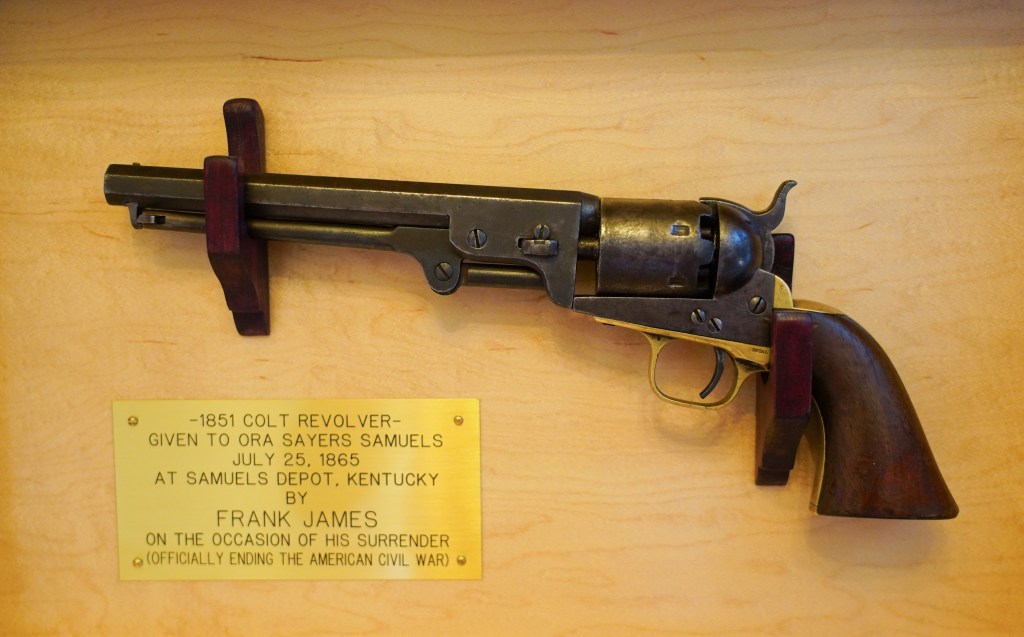
The Samuels House has been a part of history beyond bourbon. This is the home where Sheriff T.W. Samuels arranged for Frank James and his gang of the remnants of Quantrill’s raiders, who were Confederate guerrillas, to surrender to the Union Army, marking one of the last post-Appomattox surrenders. As part of the surrender, the Samuels family still owns Frank’s .36 caliber 1851 Navy Colt revolver.
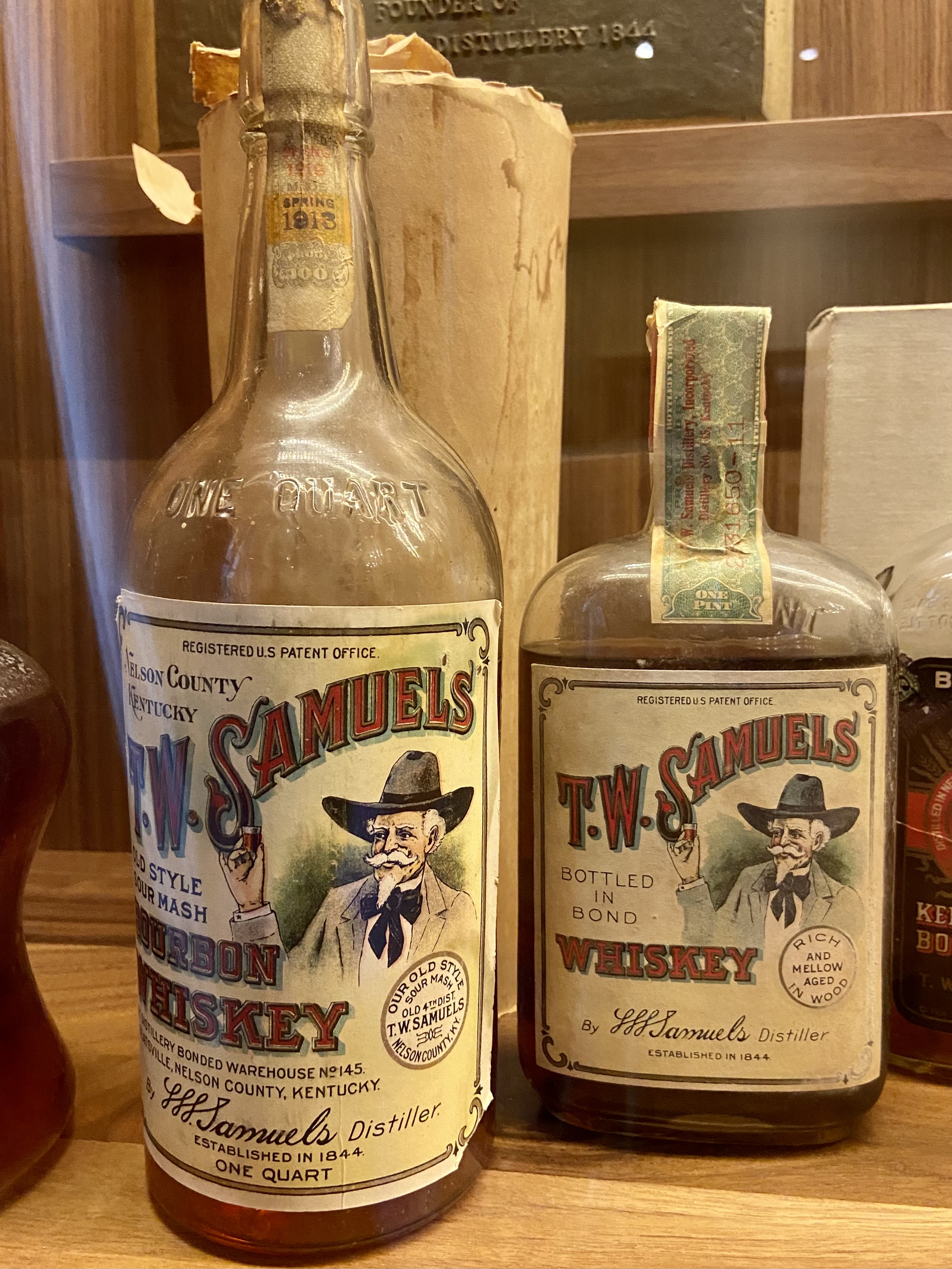
And now, under the vision of Janell and Rob Samuels (the eighth generation), The Samuels House has been repurchased, renovated to its historical grandeur with modern conveniences, and filled with family heirlooms and memorabilia. From 50 bottles spanning 150 years of distilling, to the actual deep fryer that Margie used to perfect the iconic dripping red wax, to Frank James’s revolver, The Samuels House is practically a museum. Starting in September 2021, you can spend the night with up to eight total guests and experience the history.
Find more information here: https://www.thesamuelshouse.com/.




Sipp’n Corn Poll—Which Bourbon “Facts” Do You Doubt?

For all of the absolute facts that exist with bourbon, there has always been a surprising amount of debate over everything from grand concepts (like President Taft ruling on what is whiskey) to pure minutia (like whether whiskey should be spelled with, or without, the “e”).
Practically since the first drop of this majority corn distillate almost 250 years ago, bourbon has embraced half-truths, tall tales, and marketing gimmicks, along with balancing, using, and abusing legal requirements. Why should it be any different today?
So, I selected a few “facts” that people tend to like to disagree about, and posed a Twitter poll to ask which one of these people doubt most of all:
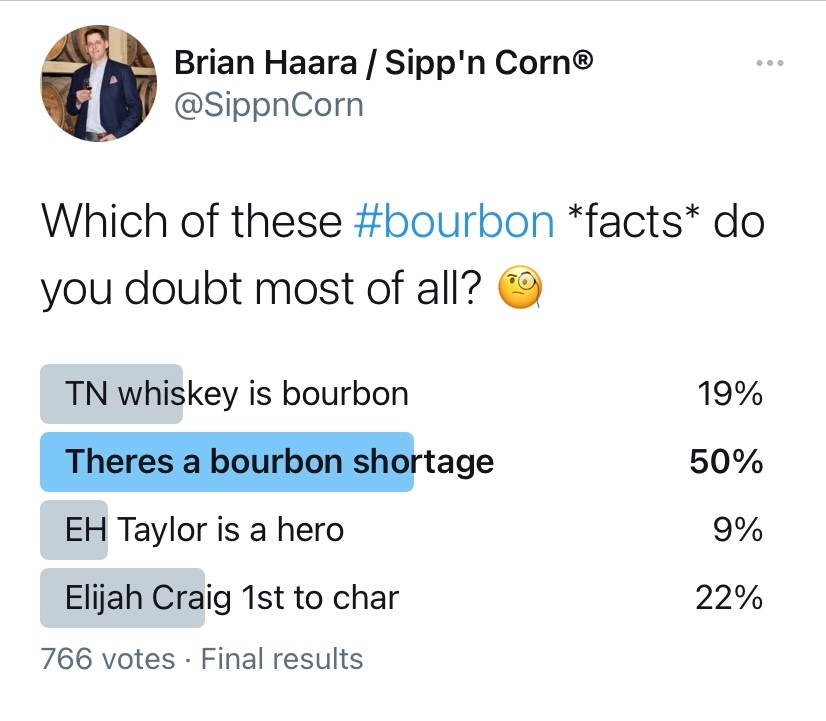
Each one of these “facts” can be false, at least to varying degrees. And from another viewpoint, each option could range from absolutely true to close enough to be accepted as truth. Which of these facts do you most doubt?
Does Tennessee Whiskey qualify as Bourbon?
I started with the biggie. Even when distillers of Tennessee Whiskey say that their whiskey is bourbon, and even when trade law equates the two, purists dispute it. It’s a never-ending debate that neither side will concede.
Federal law provides the Standards of Identity for bourbon. Tennessee Whiskey—which is defined by Tennessee state law—meets all the federal requirements with a single possible exception, which forms the basis of the ongoing debate: after distillation, but before barreling, the distillate passes through sugar maple charcoal.
Here’s how Jack Daniel’s—the most famous Tennessee Whiskey—describes it:
Once distilled to 140-proof, we send our clear, un-aged whiskey on a painstaking journey. Drop by drop, it crawls through our handcrafted charcoal at a pace dictated by gravity and nothing else. The trip takes 3-5 days to complete and once it’s done, the whiskey is transformed. Might even say blessed.
It’s this extra step that imparts the distinctive smoothness folks expect from Jack Daniel’s. And part of what makes our whiskey what it is—a Tennessee Whiskey and not a bourbon.
“Charcoal can accomplish in days what the barrel takes a couple of years to accomplish”, says Master Distiller Jeff Arnett. And the added time and cost it takes to give our whiskey that head start before it goes into the barrels is well worth it.
So, Jack Daniel’s is telling the world that its charcoal mellowing is an accelerated aging technique intended to do what a barrel does, only faster. But the larger point is that bourbon cannot contain any flavoring or color additives. If sugar maple charcoal mellowing imparts any flavor or any color from the char, it cannot be bourbon.
The real purpose is probably more subtractive, though, and scientific study has found that charcoal mellowing removes certain odors and flavors. But it might actually remove too much to be called bourbon. The science of charcoal mellowing was studied by Trenton Kerley and John P. Munafo, Jr. in “Changes in Tennessee Whiskey Odorants by the Lincoln County Process,” Agric. Food Chem. 2020, 68, 36, 9759–9767 © American Chemical Society. The authors found that charcoal mellowing decreased the concentration of 31 odorants including dropping those associated with fatty, rancid, foxy, and roasty aromas to below detection levels. “Concentrations of lipid-derived aldehydes, organic acids, and other odorants decreased between 13 and >99%.”
This means that charcoal mellowing could be filtering too much out of the whiskey for it to be called bourbon. Federal law (27 C.F.R. § 5.27(c)) prohibits filtering out characteristics generally associated with bourbon or, when dealing with straight bourbon, that “results in the removal of more than 15 percent of the fixed acids, volatile acids, esters, soluble solids, or higher alcohols.”
Is this enough to question the factualness of the statement? A respectable 19% of respondents said so.
Is there really a Bourbon shortage?
The sky has been falling for years for the bourbon enthusiast. The bourbon boom turned once-“regular” brands that sold for $26 into allocated products commanding top dollar. Distilleries have cried that they can’t keep up with demand because, of course, bourbon needs to age before it’s ready.
But now we’re six or so years into all distilleries running at full capacity, several distilleries doubling their own capacity with new stills, and massive warehouses springing up across the Bluegrass like dandelions in the spring. Yet some bourbon brands are still impossible to find, with the shortage still to blame, and in the meantime new sourced brands keep cropping up every week. With 10 million barrels of aging bourbon just in Kentucky, how can there be a bourbon shortage?
Understandably, exactly half of all respondents agreed that the shortage myth was the bourbon “fact” that they doubted the most. The people have spoken: just bottle some of it already and loosen up the allocations.
On the other hand, if bourbon markets open in India and China, we’ll have a shortage overnight, even with all of the recent production.
Is Col. E. H. Taylor, Jr., really a hero?
In today’s world of marketing exaggerations, Col. Taylor receives practically all the credit for passage of the Bottled in Bond Act of 1897, he is given credit for turning distilleries into showpiece tourist destinations, and he is perhaps the most venerated name from the pre-Prohibition era.
While Col. Taylor was undoubtedly a critical figure in the history of bourbon, he was no hero. He defrauded customers and business partners. He cheated. He sued everybody. And when he died, his heirs wasted no time in selling off his estate and brushing him under the rug of history.
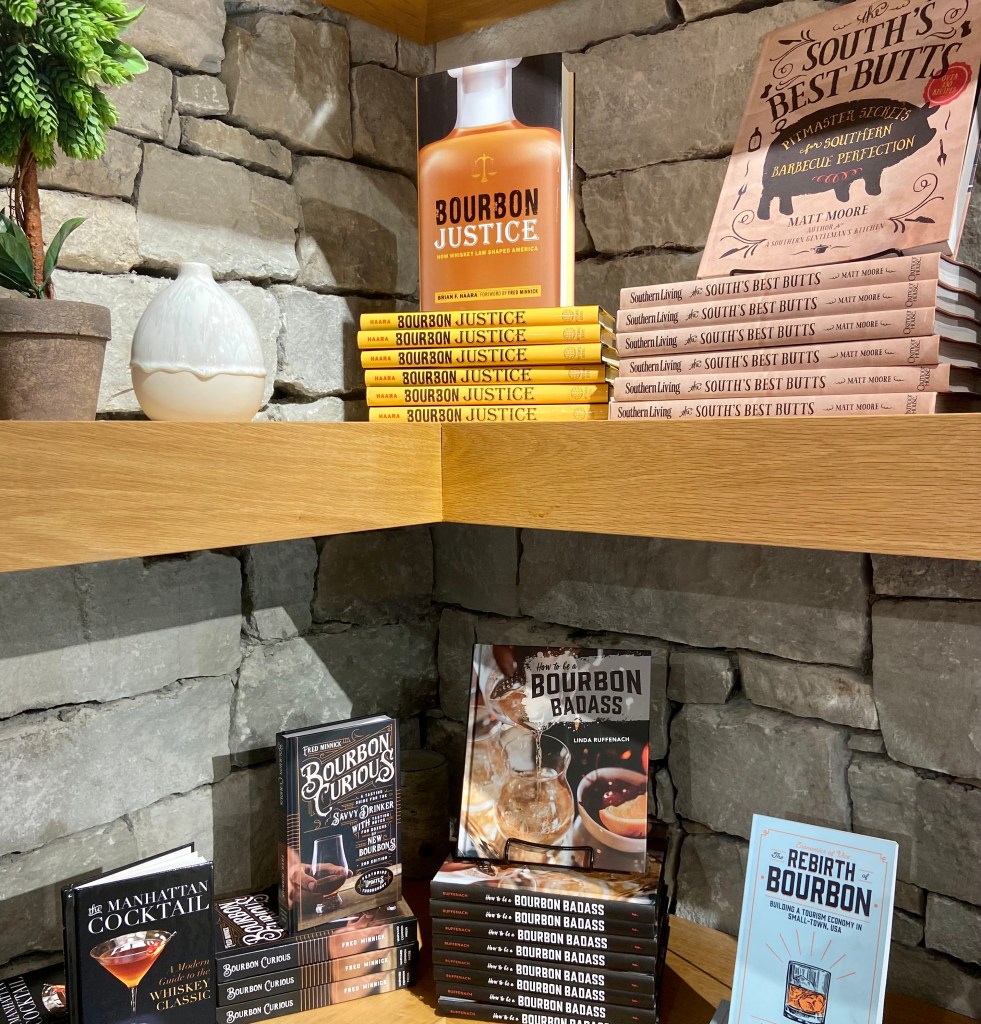
Only 9% of the respondents were most bothered by Col. Taylor’s hero status, which tells me that more people need to read Bourbon Justice.
Was Elijah Craig the first to char oak barrels?
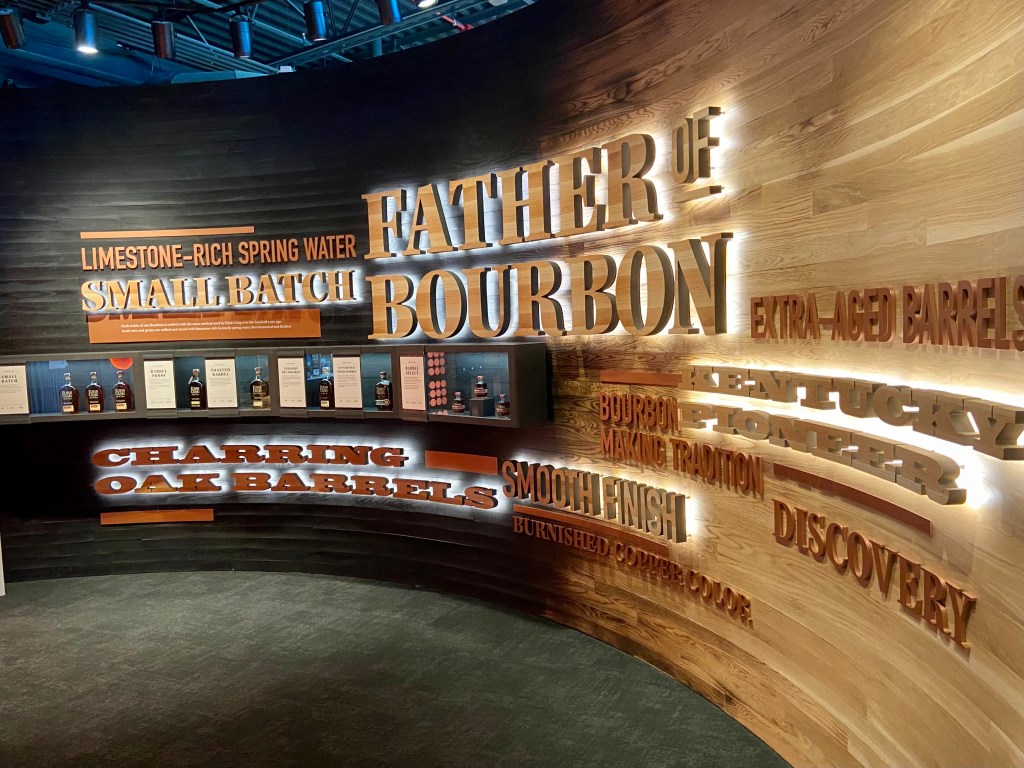
Heaven Hill refers to Elijah Craig as the “Father of Bourbon” because, in 1789, he was “the first distiller to age his whiskey in new charred oak barrels.” As questionable as this might sound at first blush, there is some support for the claim. The History of Kentucky, a book published in 1874, connects the dots between Rev. Craig and “the first Bourbon Whisky made in 1789, at Georgetown.”
Whether he really was the first to char barrels (and especially whether it was accidental, a fortuitous barn fire, or intentional) might be a bit more toward the legend side, but Rev. Craig was undoubtedly one of the very earliest bourbon distillers in Kentucky.
The second-highest percentage of the respondents doubted Heaven Hill’s claim the most, so perhaps this is a good lesson for brands to not take legends too far or too seriously.
Sipp’n Corn on the Kentucky Bourbon Trail® – The Heaven Hill Bourbon Experience.

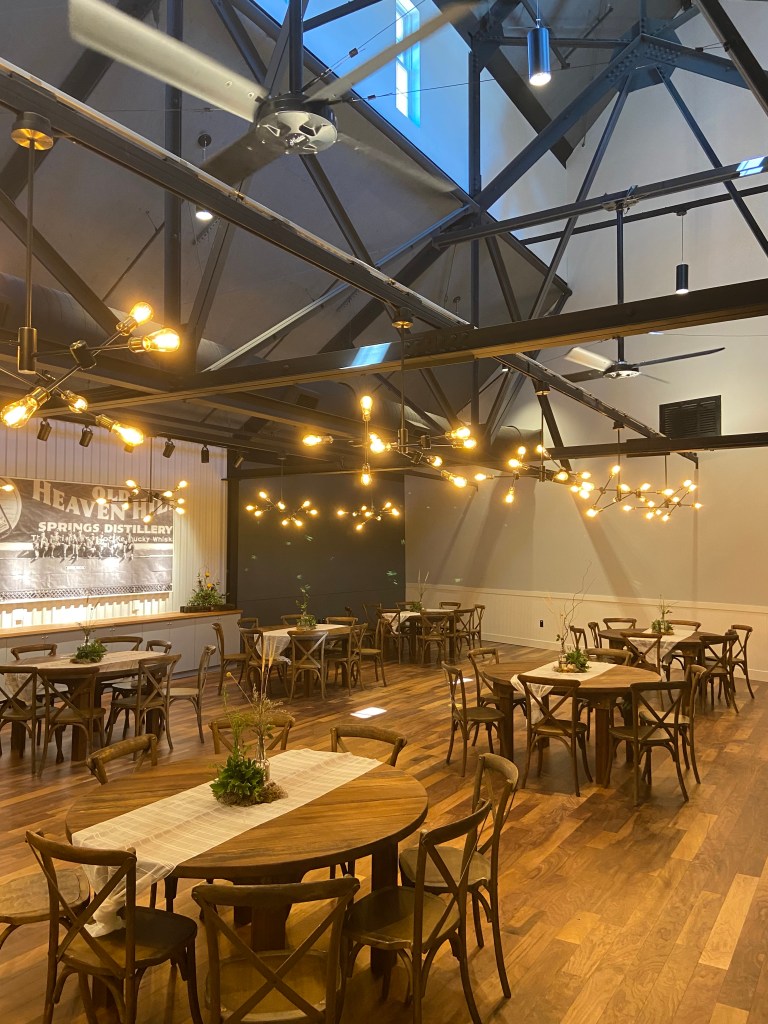
Heaven Hill celebrated the grand opening of the Heaven Hill Bourbon Experience in Bardstown, Kentucky last month. This $19 million expansion and renovation of the Bourbon Heritage Center transformed it into a state-of-the-art visitor center.
Heaven Hill President Max Shapira and Kentucky Governor Andy Beshear presided over the ribbon cutting to commemorate the occasion. Gov. Beshear also presented Heaven Hill and Kentucky Distillers’ Association President Eric Gregory with a proclamation to name June 14 as “National Bourbon Day” in Kentucky, which was especially fitting given Heaven Hill’s leading role in the industry and in preserving and promoting the historic standards of the Bottled-in-Bond Act of 1897.
Those of us who were already into bourbon in 2004 will remember that the Bourbon Heritage Center was the first of its kind. It was a nod to the small (but growing) population of bourbon enthusiasts and it was the first visitor center to celebrate bourbon’s rich history. The breakneck speed of the bourbon boom and spike in bourbon tourism demanded more, and the Heaven Hill Bourbon Experience delivers a truly memorable experience.
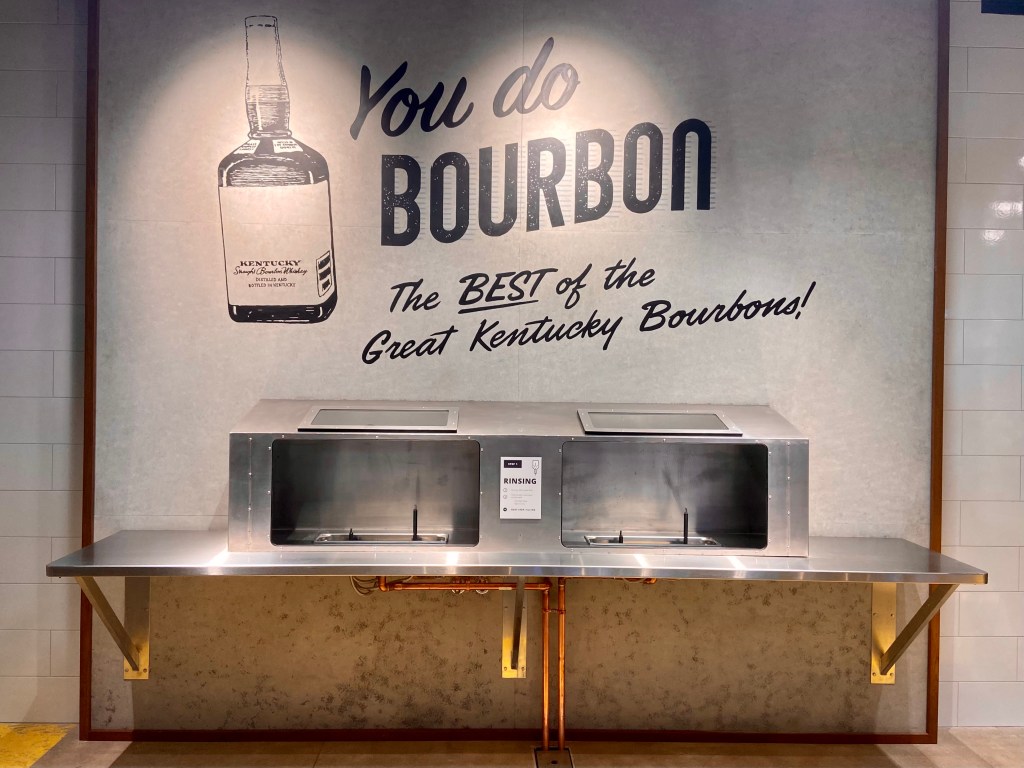
The new Heaven Hill Bourbon Experience triples the previous footprint with more than 30,000 square feet. The aspect that I’m most interested in is the “You Do Bourbon” experience. In addition to a guided tasting, guests experience a sensory/quality lab complete with microscopes, proof gauging, and nosing station, and guests can bottle their favorite bourbon with a personalized label.
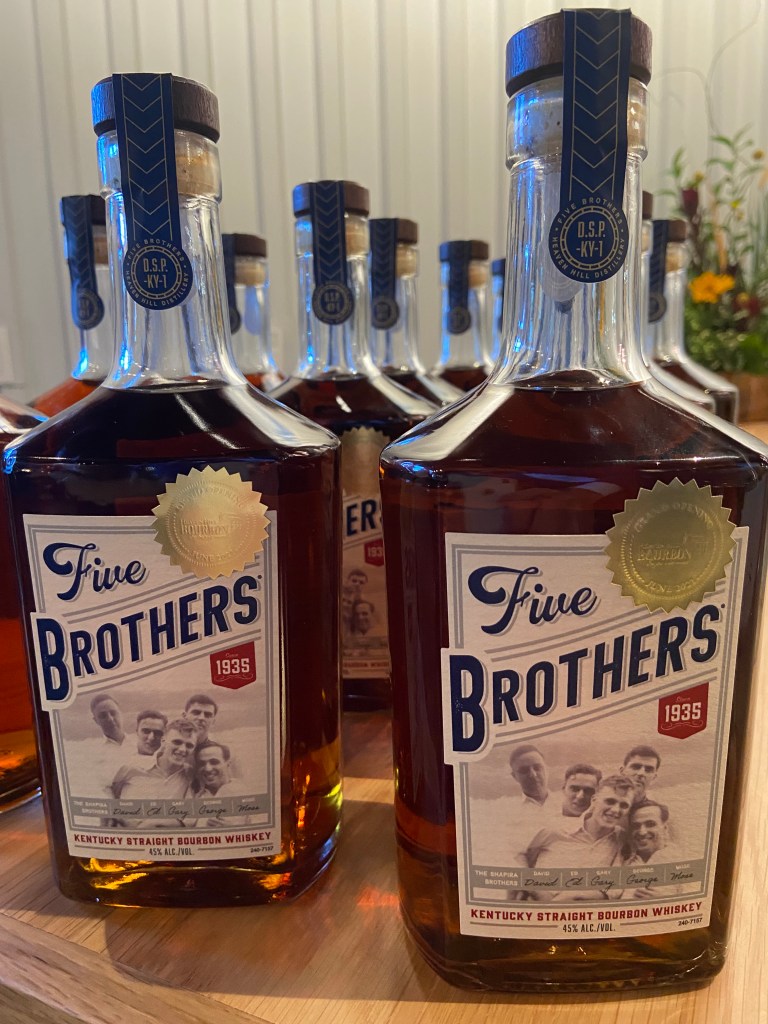
The Heaven Hill Bourbon Experience also includes a Distillery Theater, interactive exhibits featuring Elijah Craig, John E. Fitzgerald and Larceny, and Bottled-in-Bond, all topped off with the new Five Brothers Bar & Kitchen and soon-to-open restaurant. Check the link here to plan your visit this summer!
Sipp’n Corn Tasting Notes: Elijah Craig 12-Year Barrel Proof B521

Some of the best single barrels that I’ve had during private barrel selections have been “low” proof. I know that high-tier hazmat scorchers get most of the attention, but sub-120 proof barrels are rare—at least for distillate that enter the barrel at the maximum 125 proof—and those are the barrels get my attention. Now we have the lowest ever Elijah Craig 12-Year Barrel Proof and I feel like I’m with my people.
Elijah Craig Barrel Proof B521 Tasting Notes
Bourbon: Elijah Craig Barrel Proof Kentucky Straight Bourbon Whiskey
Distillery: Heaven Hill
Age: 12 years
ABV: 59.1% (118.2 proof)
Cost: $70.00
Appearance:
Dark amber brown.
Nose:
Fragrant aromas lead with brown sugar, cinnamon, and maple syrup, rounded out with subtle tobacco and nuttiness.
Taste:
Creamy butterscotch with baking spices that evolves to more brown sugar, cocoa, tobacco leaf, and black pepper. There’s plenty of complexity for contemplation.
Finish:
Long and fully warming without heat—a steady warmth that lingers with fading flavors that start sweet and then dries with the fade.
Bottom Line
Between my second and third tastings, I watched another review that complained about a “burnt” flavor. I try really hard to not read or watch any reviews until I post my own, and this is why. I was fixated during my third tasting searching for that claimed burnt flavor and probably enjoyed the experience less. But I’m happy to report that there wasn’t anything like that in the flavors. This is just all around a remarkable bourbon.
If anyone needs convincing that low barrel proofs should be as sought after as high barrel proofs, this Elijah Craig Barrel Proof will do it. I asked Heaven Hill whether the lowest proof ever was intentional. I thought that it would make sense to show the range. But Heaven Hill responded that it was just a result of the proof being the right taste profile. And right it is; this is another great success for Elijah Craig.
Disclaimer: The brand managers kindly
provided a bottle for this review,
without any strings attached.
Thank you.
Log Still Distillery Opens for Business

Kentucky’s newest distillery is owned by descendants of one of the oldest distilling families. J.W. “Wally” Dant III, along with his cousins Lynne Dant and Charles Dant, have now opened Log Still Distillery in Gethsemane, Kentucky. While the grounds are still under construction, the visitor center and stillhouse are up and running, with tastings available of its Monk’s Road lineup of Kentucky Straight Bourbon Whiskey, a dry gin, and a barrel-finished gin. The campus will include a network of wooded walking trails, a fully functional private train depot connected to the Kentucky Railway Museum, a 12-acre lake for fishing, three unique lodging options, an outdoor amphitheater, a farm-to-table restaurant, and a wedding and events venue.
I attended the ribbon-cutting ceremony, where Wally explained how the name Log Still Distillery is meant to evoke the tradition of his great-great-great-grandfather, Joseph Washington Dant, and Dant’s practice of using a hollowed-out poplar log to distill his first batch of whiskey in 1836.
Set in picturesque southern Nelson County, Log Still Distillery will employ 126 people once it is fully operational. In the meantime, the first release of Monk’s Road—honoring the historic Cold Spring Distillery—is a 100 proof, six-year age-stated Kentucky Straight Bourbon Whiskey, with a mash bill of 75% corn, 21% rye, and 4% malted barley. This is obviously a sourced bourbon. Log Still confirmed for me that while the source is confidential, it’s “from an established distillery in Bardstown.” I know one that it’s not, and there’s a highly likely candidate for who it is, but for now all we can do is speculate. And while I speculate about the source, I’ll enjoy following the progress at Log Still Distillery.